
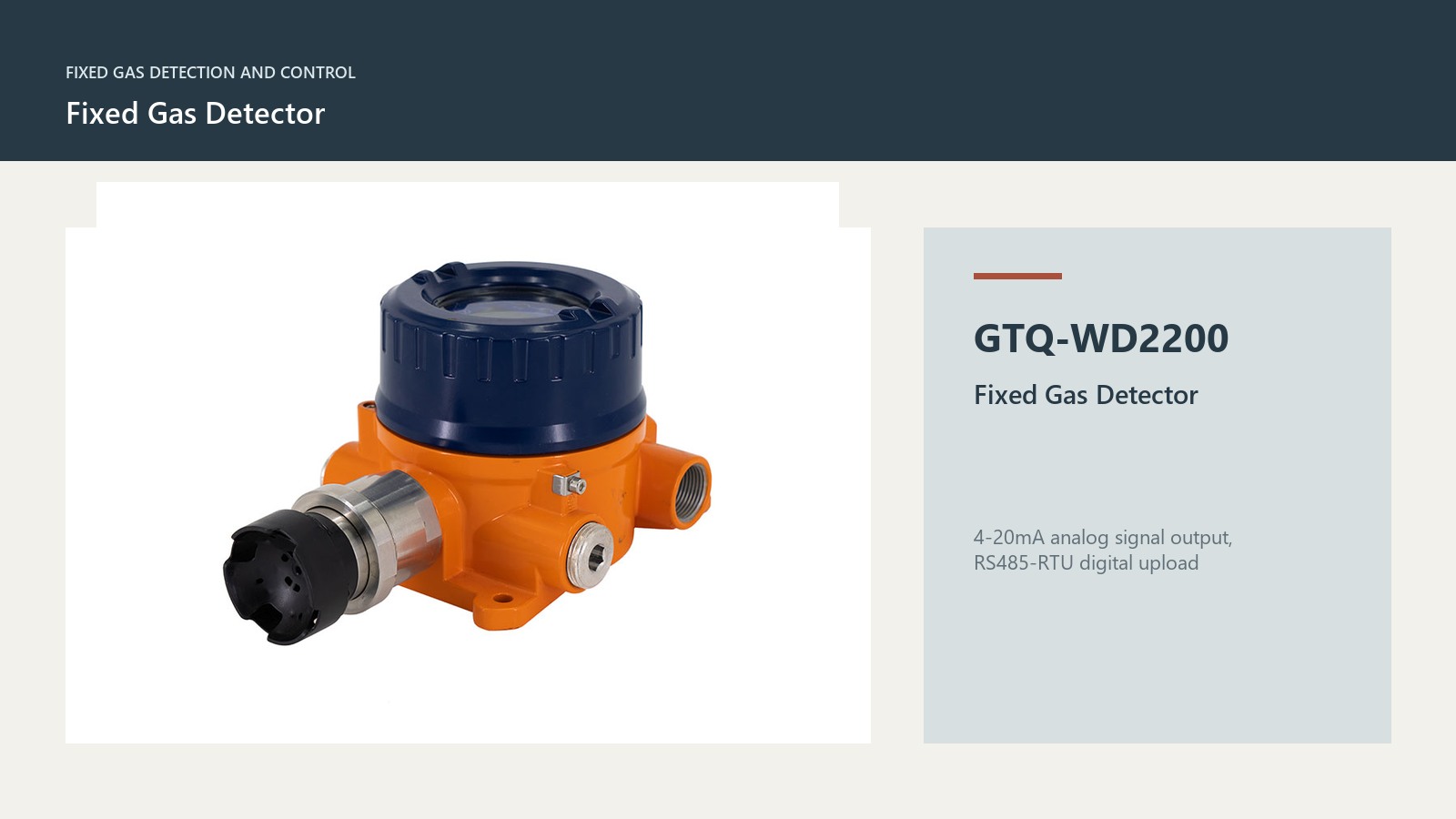
fixed gas detector for refinery matters because the downstream response matters. This page uses the GTQ-WD2200 as a practical reference point for a refinery or fuel-handling area, separating current published details from the decisions that remain site- or organization-specific.
A better way to investigate fixed gas detector for refinery
This is why fixed gas detector for refinery should be translated into a short operating brief rather than a loose request for features. A fixed-gas-detection brief is stronger when it connects the potential release, likely gas behaviour, detector location, alarm route, output or control interface, and maintenance access. The detector is only one node in that system.
For this fixed gas detector for refinery article, the relevant starting point is a refinery or fuel-handling area. The focus is not on abstract product claims; it is on the information that lets a reader decide whether the GTQ-WD2200 should proceed to a more detailed review.
Match the configuration to the real task
For fixed gas detector for refinery, the decision is not whether a product category sounds relevant. It is whether the published GTQ-WD2200 capabilities can support the actual conditions of a refinery or fuel-handling area. A fixed-gas-detection brief is stronger when it connects the potential release, likely gas behaviour, detector location, alarm route, output or control interface, and maintenance access. The detector is only one node in that system.
The practical value of fixed gas detector for refinery depends on whether the team can repeat the routine reliably. That means writing down the operating conditions, checking how the product information applies to them, and assigning ownership before the equipment is placed in service.
A useful article should leave the reader with a next decision, not a generic claim. Here, that means translating the search term into operating conditions and checking the current PESV information against them. This is the practical next step for fixed gas detector for refinery.
The information that prevents a vague request
- the gas concern and the local release scenario that must be monitored
- mounting position, ventilation, obstructions, and practical access for inspection and service
- the signal, relay, controller, or supervisory path that needs to receive an alarm or fault
- the site owner for functional checks, calibration planning, alarm response, and records
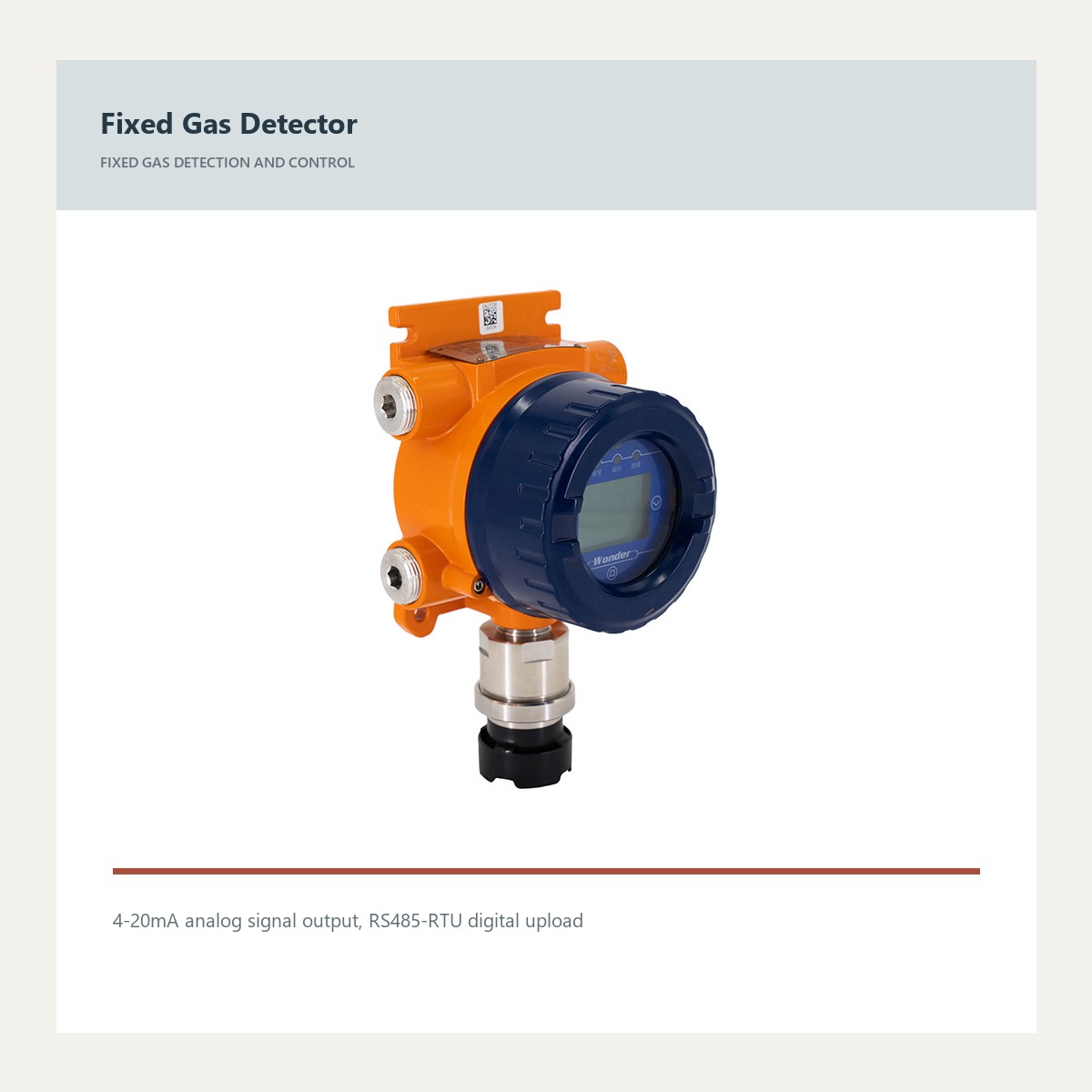
The current PESV evidence for GTQ-WD2200
PESV publishes the model information on the GTQ-WD2200 product page. For fixed gas detector for refinery, these public details help a buyer start the conversation, while the final configuration still has to be checked against the intended use.
- PESV currently lists a measurement and display platform for the stated monitoring task.
- PESV currently lists 4-20mA analog signal output, RS485-RTU digital upload.
- PESV currently lists hART output, support Hart handheld communicator for settings.
- PESV currently lists 3 relay outputs for 1st alarm, 2nd alarm and fault.
Readers investigating fixed gas detector for refinery should distinguish between what PESV currently publishes for the model and what their own project must define. That separation is a practical safeguard against over-reading a product page.
Bring the wider safety context into the discussion
The same model can be appropriate in one documented fixed gas detector for refinery scenario and inappropriate in another. A fixed detector supports the site monitoring plan. It does not by itself confirm that a space is safe, replace engineering controls, or remove the need for a documented alarm-response process.
This model page does not replace independent guidance. For the wider context around fixed gas detector for refinery, consult the NIOSH confined-spaces safety briefing; use it alongside, rather than instead of, current product documentation and local requirements.
Move from research to a defined specification
This fixed gas detector for refinery article should help a reader ask a better question, not assume an answer. The official GTQ-WD2200 page remains the current product source; the PESV range gives comparison context, and PESV can review a defined use case with the buyer.