
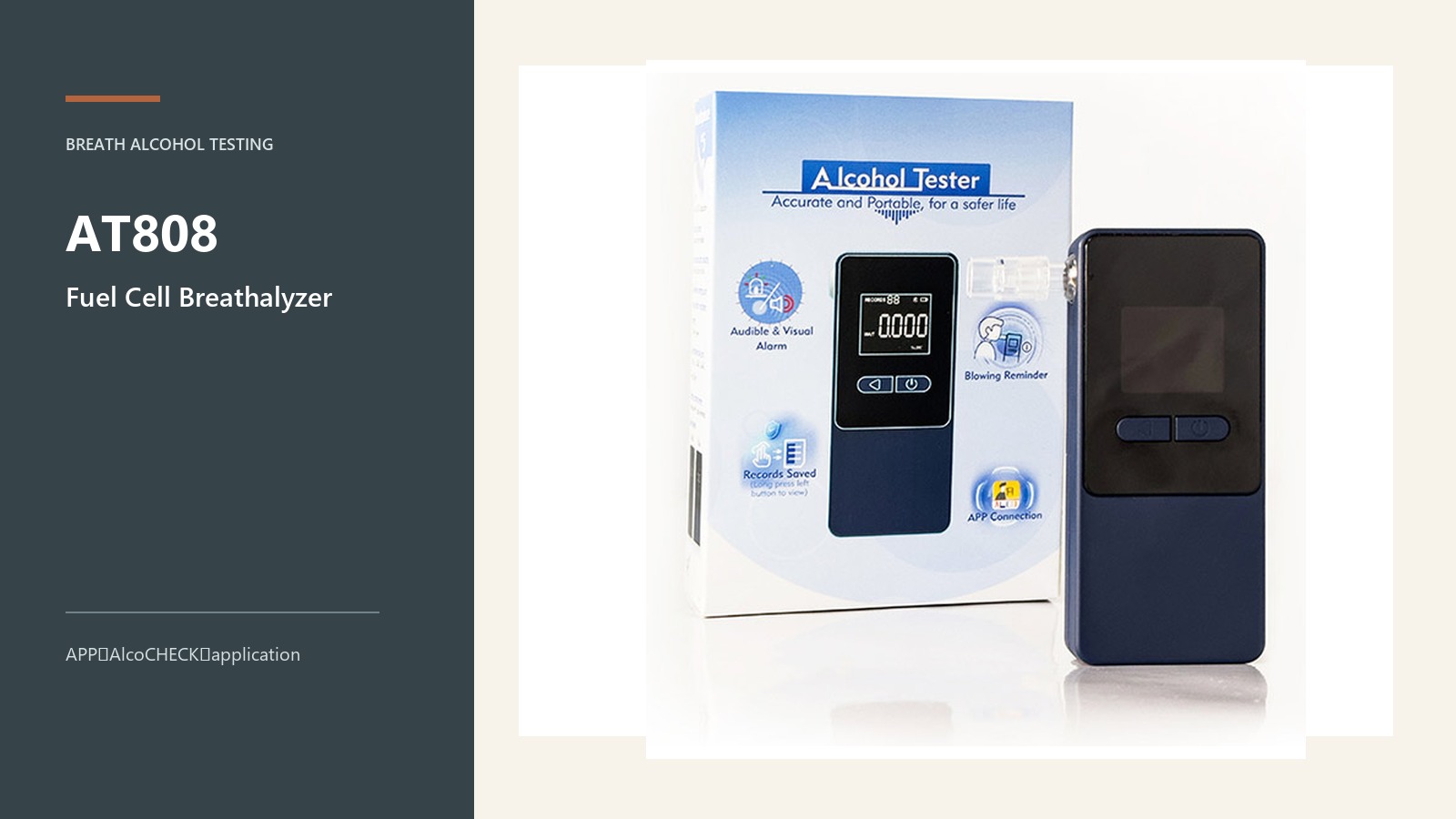
handheld alcohol tester for personal use is a useful search only when it leads to a clear equipment decision. For a personal or small-group alcohol-awareness setting rather than a legal decision process, the AT808 needs to be considered alongside the workflow, the person responsible for it, and the conditions the site or organization actually has to manage.
Define the job behind handheld alcohol tester for personal use
For handheld alcohol tester for personal use, the decision is not whether a product category sounds relevant. It is whether the published AT808 capabilities can support the actual conditions of a personal or small-group alcohol-awareness setting rather than a legal decision process. A personal or self-service tester needs an understandable flow: who uses it, how a test is started, how hygiene is managed, what the result means within the setting, and who can answer questions when it does not behave as expected.
For this handheld alcohol tester for personal use article, the relevant starting point is a personal or small-group alcohol-awareness setting rather than a legal decision process. The focus is not on abstract product claims; it is on the information that lets a reader decide whether the AT808 should proceed to a more detailed review.
What PESV currently lists for AT808
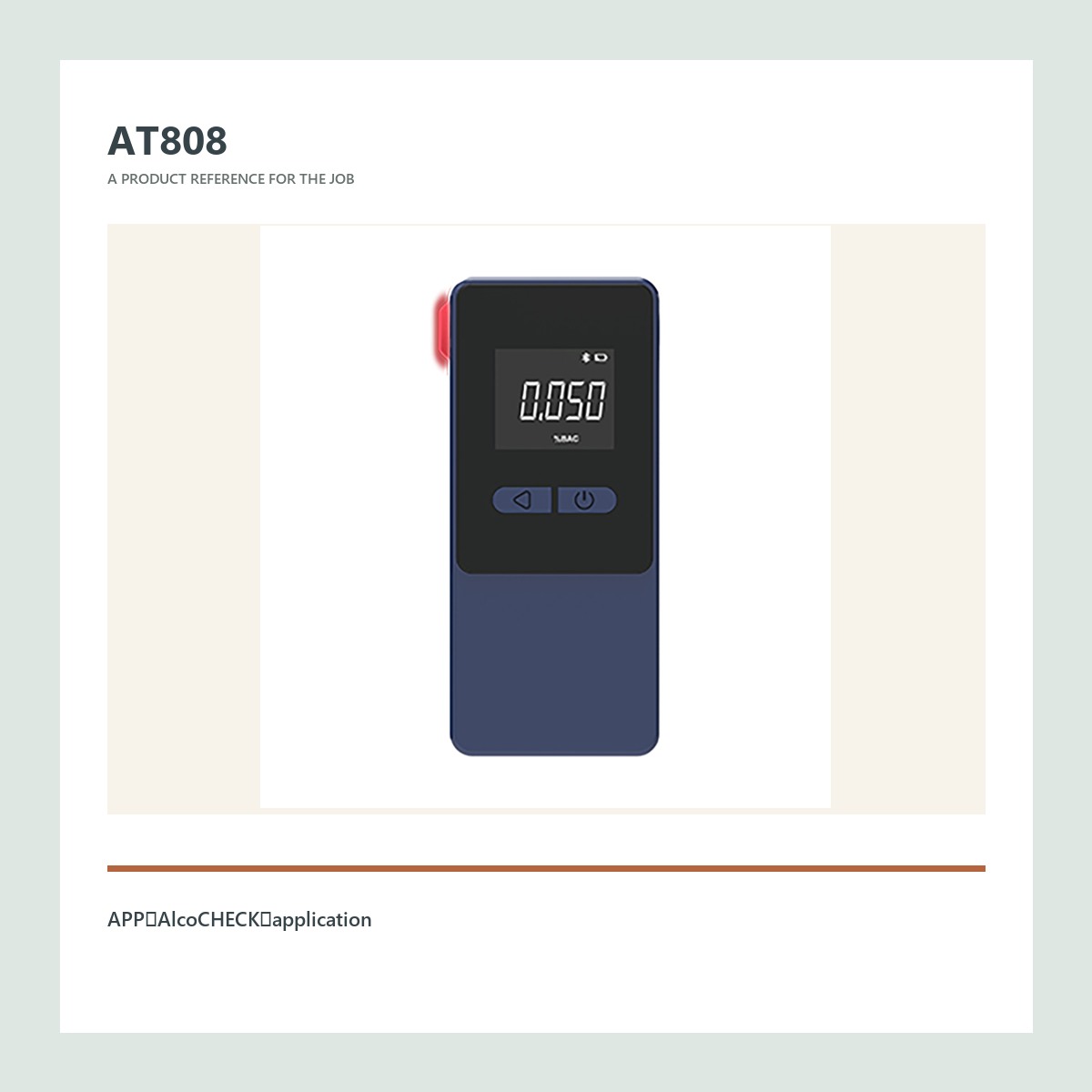
For this handheld alcohol tester for personal use review, the current PESV product page for AT808 is the source for model-specific information. The following details are published there and should be read as a fact snapshot, not as a substitute for a project specification.
- PESV currently lists aPP(AlcoCHECK)application.
- PESV currently lists a fuel-cell sensor.
- PESV currently lists three color lights indication (Green, Blue and Red).
- PESV currently lists adjustable alarming point.
For handheld alcohol tester for personal use, the product facts above are useful because they make a conversation concrete. They are not enough to infer suitability: a model can have the right broad category while still be a poor match for the user, location, or follow-up process.
Questions that change the configuration
The quality of a handheld alcohol tester for personal use decision depends on the information gathered before the order is placed. A personal or self-service tester needs an understandable flow: who uses it, how a test is started, how hygiene is managed, what the result means within the setting, and who can answer questions when it does not behave as expected. Those inputs are also what make a comparison between configurations meaningful.
For handheld alcohol tester for personal use, document the condition before comparing options: what happens immediately before use, what observation or result triggers a response, and what evidence the responsible person must be able to review afterward. That short record is more useful than a long, generic feature request.
The details that matter are the ones a person can act on: the real setting, the expected routine, the response to an indication or result, and the person accountable for keeping the device ready. This is the practical next step for handheld alcohol tester for personal use.
A request brief that a project team can use
- the intended users and whether a trained attendant is present
- the testing routine, hygiene supplies, and replacement consumables where relevant
- how result information is explained without turning it into a driving or legal decision
- battery, charging, app, or service expectations for the chosen configuration
Where AT808 fits and where it does not
The AT808 can be considered as part of a well-defined handheld alcohol tester for personal use process. A consumer or self-service tester can support alcohol awareness. It must not be framed as permission to drive or as a replacement for responsible decisions and local law.
For handheld alcohol tester for personal use, For broader alcohol-use context, PESV links readers to the independent public-health reference below; that reference is not a specification for the instrument. See the CDC alcohol-use overview for that wider context.
Move from research to a defined specification
To take handheld alcohol tester for personal use research further, review the current AT808 product page alongside the PESV breath alcohol testing range. A quotation request is more useful when it states the use condition, the model facts that matter, and the questions that still need confirmation. Contact PESV with that brief rather than with a generic category request.