
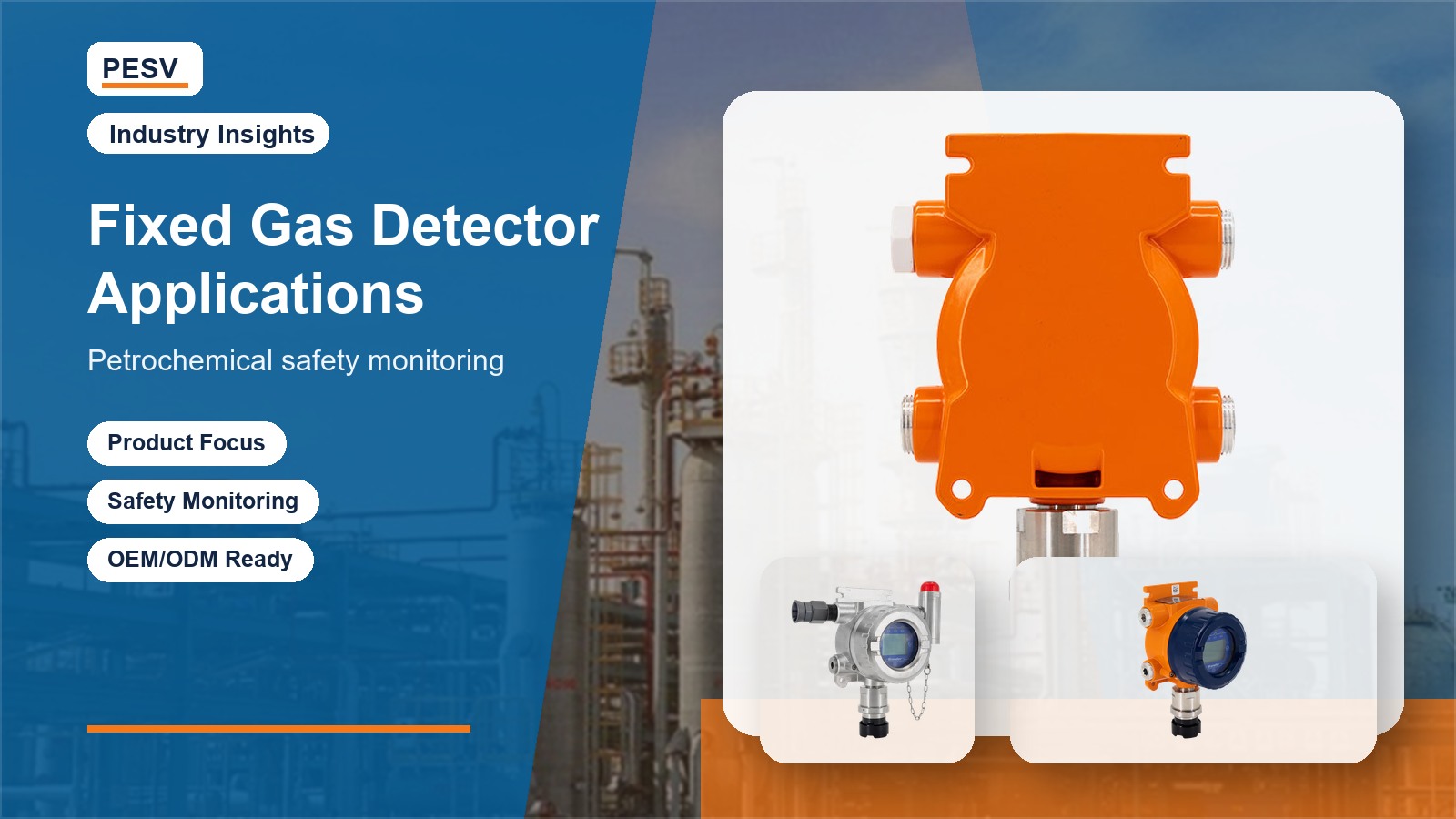
A fixed gas detector is one of the most practical tools for continuous petrochemical safety monitoring. In production areas, storage zones, loading stations, utility rooms, and other high-risk locations, it helps safety teams monitor selected points where combustible or hazardous gases may appear.
For petrochemical operators, gas distributors, and industrial safety buyers, the key question is not only which detector to buy. The more important question is how the detector fits into a reliable site monitoring strategy: where it is installed, what gas risk it monitors, how alarms are handled, and how maintenance teams keep the system dependable over time.
Why a Fixed Gas Detector Matters in Petrochemical Safety
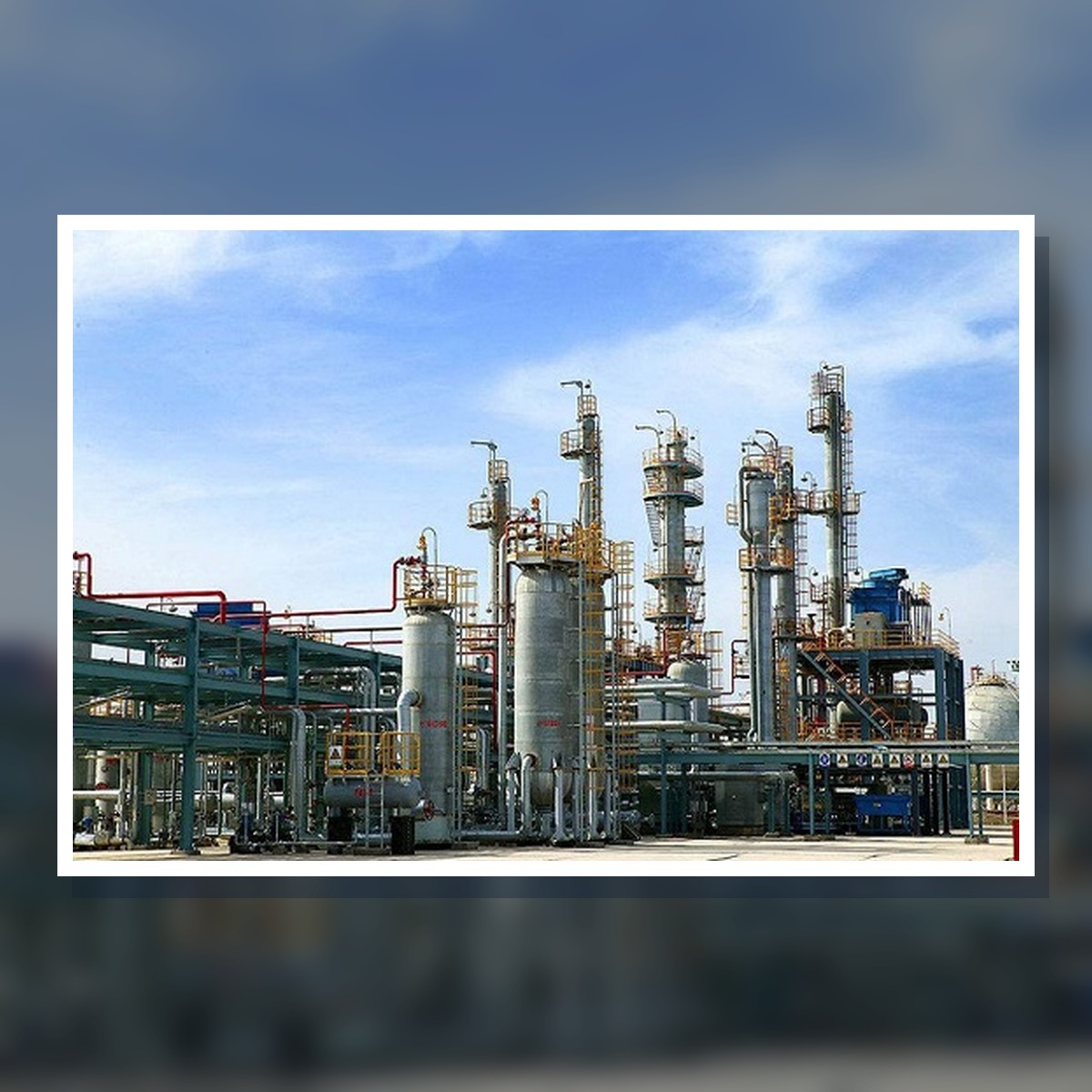
Petrochemical sites often include pipelines, tanks, pumps, compressors, valves, loading areas, and process equipment. These areas can be exposed to changing operating conditions, outdoor environments, vibration, humidity, dust, and routine maintenance work. Because gas risks may appear at specific fixed points, portable inspections alone may not provide enough continuous coverage.
A fixed gas detector remains in place and works as part of a long-term gas detection system. When the monitored gas reaches a defined alarm level, the detector can support local alarms, centralized control panels, or wider response procedures. This gives operators clearer awareness of abnormal conditions before the situation develops further.
Common Petrochemical Application Areas
The best installation layout depends on the site risk assessment. In many petrochemical environments, fixed detection is considered for process zones, storage tanks, pump stations, compressor areas, loading points, wastewater treatment rooms, and semi-confined utility areas.
| Application area | Monitoring purpose | Planning note |
|---|---|---|
| Process units | Continuous monitoring near equipment, transfer points, valves, and pipelines. | Place detectors according to risk source, airflow, and access for maintenance. |
| Storage and tank zones | Early warning around loading, unloading, and storage operations. | Combine detector signals with clear site alarm response procedures. |
| Pump and compressor stations | Monitoring around seals, joints, and rotating equipment. | Review vibration, weather exposure, and routine calibration needs. |
| Utility or semi-confined rooms | Additional protection where ventilation conditions may change. | Confirm the target gas and installation height before selecting the model. |
How Fixed Gas Detection Supports Alarm Response
A fixed gas detector can support daily safety work in three practical ways. First, it provides continuous point monitoring in areas where personnel may not always be present. Second, it can transmit alarm signals to a gas control panel, local warning device, or site-level alarm process. Third, it helps maintenance and safety teams create a repeatable inspection routine around detector locations, calibration schedules, and alarm records.
Detector placement should be planned together with alarm strategy. Petrochemical sites may need local visual or audible alarms, centralized monitoring, or integration with broader safety procedures. The detector provides the signal; the alarm process determines how quickly that information becomes action.
Key Factors When Selecting a Fixed Gas Detector
Before choosing a fixed gas detector, buyers should define the actual gas risk and installation environment. The gas type, expected concentration range, airflow, ventilation condition, weather exposure, and maintenance access all affect the selection process.
- Confirm the target gas and monitoring purpose before comparing models.
- Review the installation height, airflow, and distance from likely leak sources.
- Plan whether the detector should connect to a gas control panel, local alarm, or other site system.
- Check routine inspection, calibration, and replacement requirements with the supplier.
- Align the final selection with local safety rules, project standards, and site procedures.
For teams reviewing broader process safety practices, the OSHA process safety management overview can be a useful reference alongside local regulations and site-specific requirements.
PESV Industrial Gas Detector Options
PESV provides an Industrial Gas Detectors product category that includes fixed gas detector models such as GTQ-WD6200, GTQ-WD2200, and GTQ-BS03, as well as related gas control panels, gas leak detectors, and portable gas detectors.
For petrochemical and gas industry applications, these product groups can support different parts of an industrial safety monitoring strategy. Because every site has different gas risks and installation conditions, the final model should be selected according to confirmed technical requirements rather than model name alone.
Conclusion
A fixed gas detector is a practical part of petrochemical safety monitoring because it supports continuous awareness at selected risk points. When combined with proper installation, alarm planning, gas control panels, and maintenance routines, fixed gas detection can help petrochemical and industrial teams build a more consistent safety workflow.
To discuss model selection or distributor cooperation, visit PESV Industrial Safety applications or contact PESV for support with an industrial gas detection solution.
FAQ: Fixed Gas Detector Use in Petrochemical Facilities
Where should a fixed gas detector be installed in a petrochemical facility?
Installation points should be selected according to the gas source, airflow, equipment layout, ventilation conditions, and access for inspection or calibration. Common areas include process equipment, storage tanks, loading stations, pump rooms, and compressor stations.
Can a fixed gas detector replace portable gas inspection?
No. Fixed detectors and portable gas detectors usually support different safety tasks. A fixed gas detector provides continuous point monitoring, while portable instruments are useful for inspections, maintenance work, and confined space entry checks.
What should buyers confirm before choosing a fixed gas detector?
Buyers should confirm the target gas, measuring range, installation environment, alarm output requirements, control panel connection, maintenance process, and any site-specific certification or compliance requirements before choosing a model.