
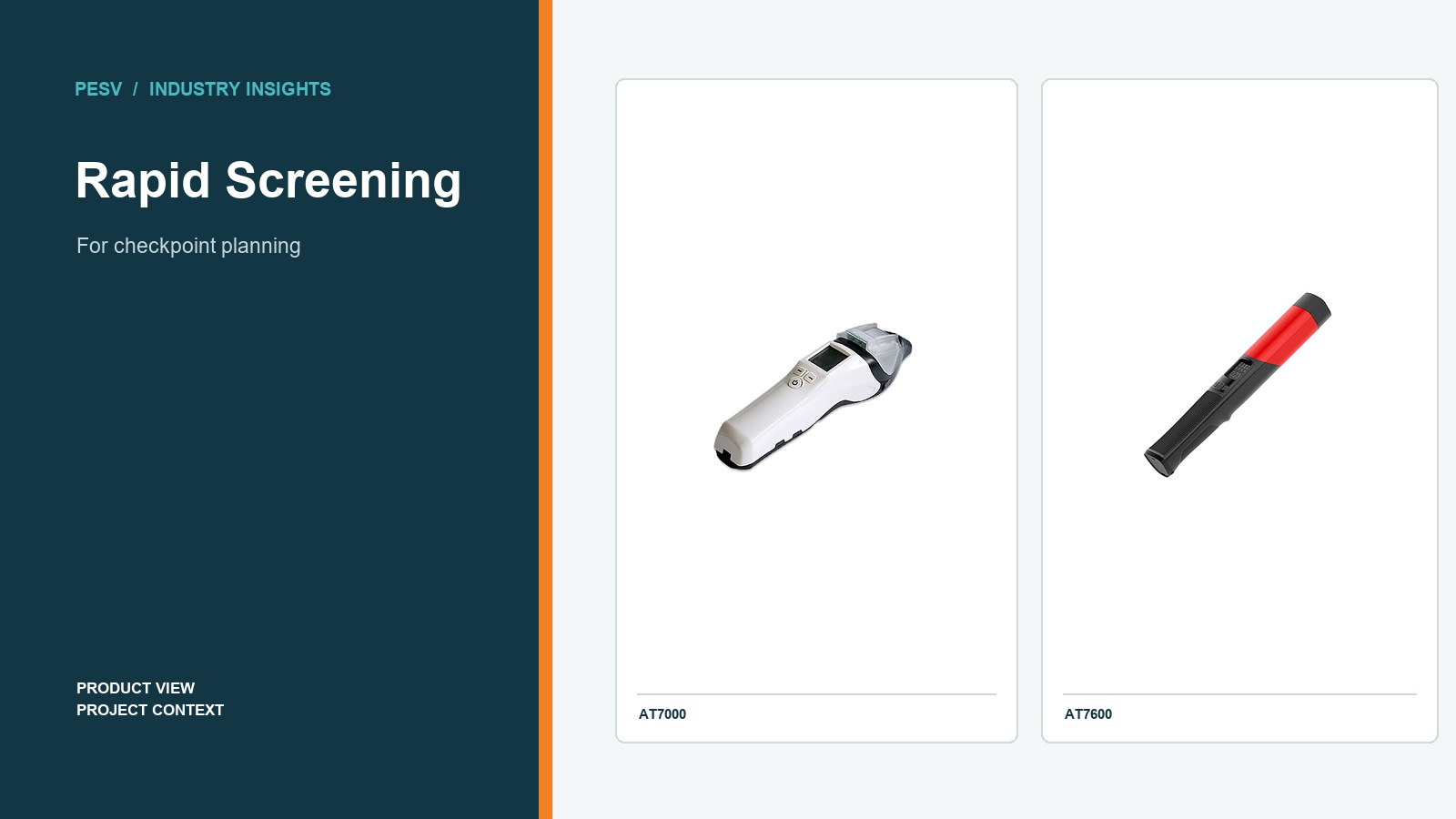
rapid screening breathalyzer for police checkpoints is best evaluated from the project context, not from a model name alone. PESV supports buyers with an alcohol-testing product discussion that begins with intended use, target market, and the details required for a responsible commercial enquiry.
rapid screening breathalyzer for police checkpoints
Checkpoint buyers should define the screening lane, expected traffic volume, operator handoff, and escalation process before discussing a product. That lets a rapid screening breathalyzer for police checkpoints support a real operational brief rather than a generic equipment request.
Start with checkpoint flow
A practical checkpoint plan describes where people enter the screening point, who operates the equipment, how the team manages queues, and what information is needed by supervisors. Equipment selection should follow that operating picture.
The World Health Organization’s alcohol fact sheet provides broader alcohol-related health context. It does not replace an organization’s own policy, project process, or applicable local requirements.
Information to prepare before an enquiry
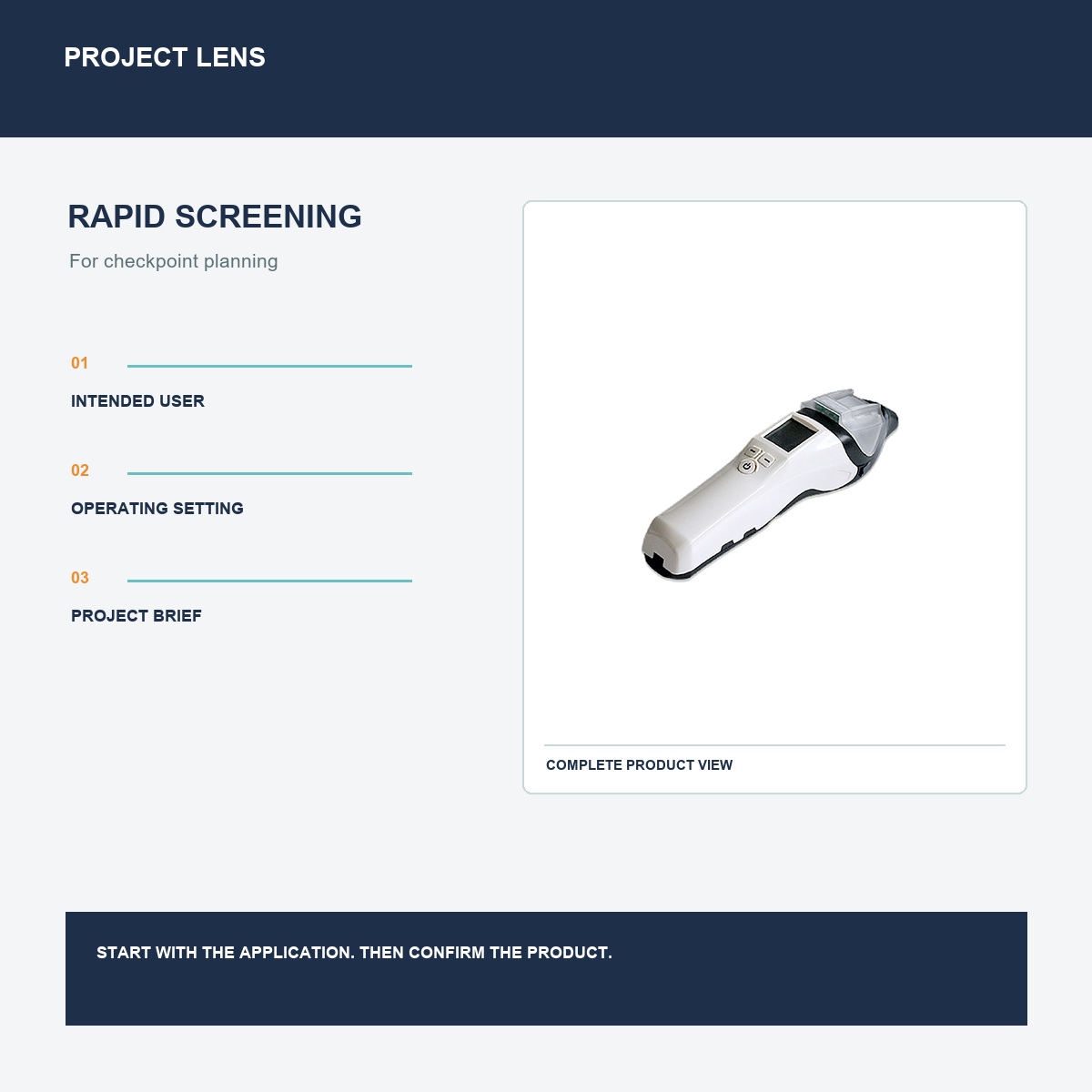
- Intended user and operating setting
- Destination market and documentation expectations
- Order quantity, timeline, and delivery requirements
Keep the enquiry specific
Provide the destination market, expected quantity, project timing, product category, and documentation requirements. This gives PESV enough context to discuss the appropriate product direction without treating a general article as a final deployment plan.
Use the PESV Alcohol Tester range as the category hub and relevant PESV article relevant PESV article to build a relevant shortlist. These pages provide product context; the final choice should be confirmed against the buyer’s actual brief.
From a general search to a project discussion
Review PESV breathalyzer applications, then contact PESV with the intended use, destination market, quantity, requested documentation, and timing. This gives the supplier a practical basis for responding.
Frequently asked questions
What should a checkpoint project describe first?
Describe the screening location, traffic pattern, responsible team, and intended product category.
Can a general article define the final deployment?
No. The final project process and product fit must be confirmed for the intended setting and local requirements.
Which PESV pages support a rapid-screening discussion?
Start with the AT7000, AT7600, and breathalyzer application pages, then send PESV the specific project brief.
Discuss this project with PESV
Explore the Alcohol Tester category or contact PESV with your rapid screening breathalyzer for police checkpoints requirements.