
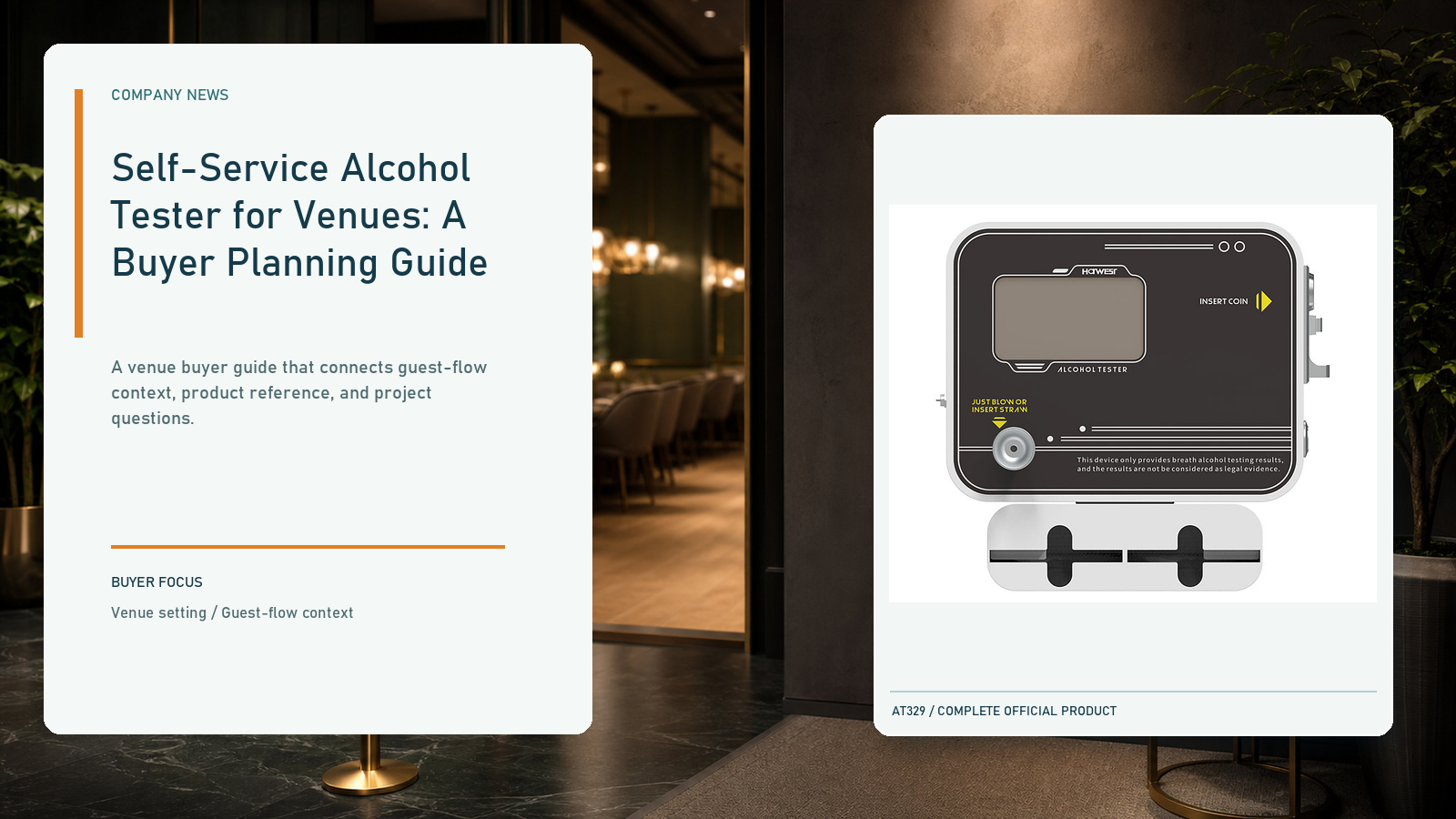
A self-service alcohol tester for venues is most useful when it begins with a real buyer context. For venue operators, hospitality buyers, and distributors, the early questions are practical: who will use the product, what setting applies, what information needs review, and which commercial details must be resolved before a final direction is discussed.
The relevant PESV product or cluster reference is a starting point for the conversation. It should be considered with the buyer’s own process, destination-market needs, and confirmed project requirements. Product information does not by itself create a final procedure or a deployment decision.
Self-Service Alcohol Tester For Venues: Define the Operating Scene
A venue buyer guide that connects guest-flow context, product reference, and project questions. Start with the location, responsible team, expected rhythm of work, and the handoff between people. This keeps a buyer conversation linked to the reality of the site rather than an isolated specification.
Build the Brief Around People and Follow-Through
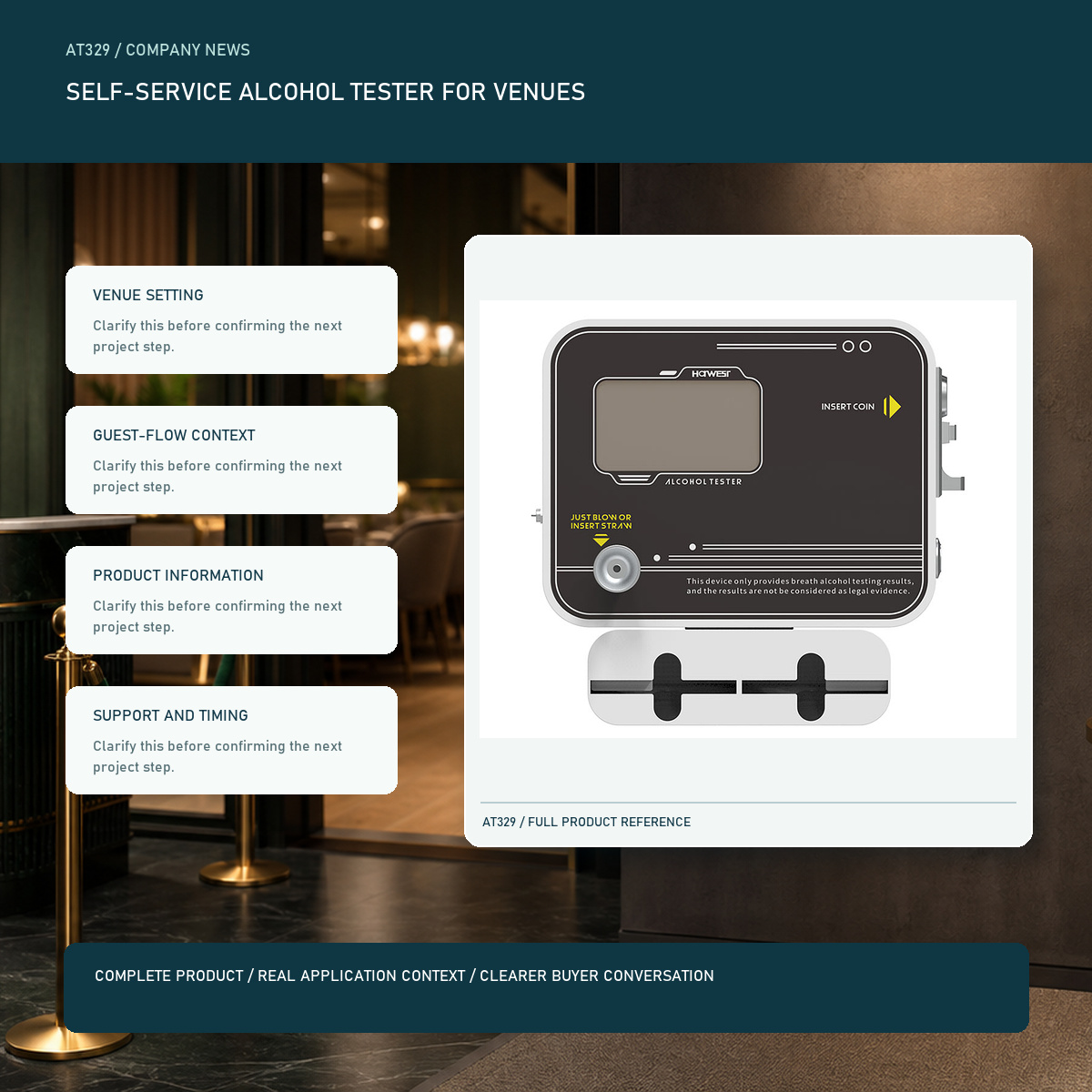
- Venue setting: identify the detail that should be confirmed before a final product or commercial decision.
- Guest-flow context: identify the detail that should be confirmed before a final product or commercial decision.
- Product information: identify the detail that should be confirmed before a final product or commercial decision.
- Support and timing: identify the detail that should be confirmed before a final product or commercial decision.
Use Product Context Without Making Assumptions
Review the related PESV reference and the Breathalyzer Applications page to place the product in a wider application context. Then contact PESV with the project setting, market, quantity, information request, and timeline.
Use the Context Responsibly
Alcohol-related safety deserves careful treatment. The World Health Organization alcohol fact sheet provides broader context. Buyers should apply their own approved processes and confirm requirements for the actual setting.
Frequently Asked Questions
What should a buyer include in a self-service alcohol tester for venues discussion?
Include the intended setting, user group, requested information, destination market, quantity, delivery timing, and review contact.
Does this article define a final operating procedure?
No. Each organization should approve its own procedure and confirm applicable requirements for the intended application.
What information should be shared with PESV?
Share the planned application, target market, requested documents, quantity, packaging needs, timing, and open project questions.