
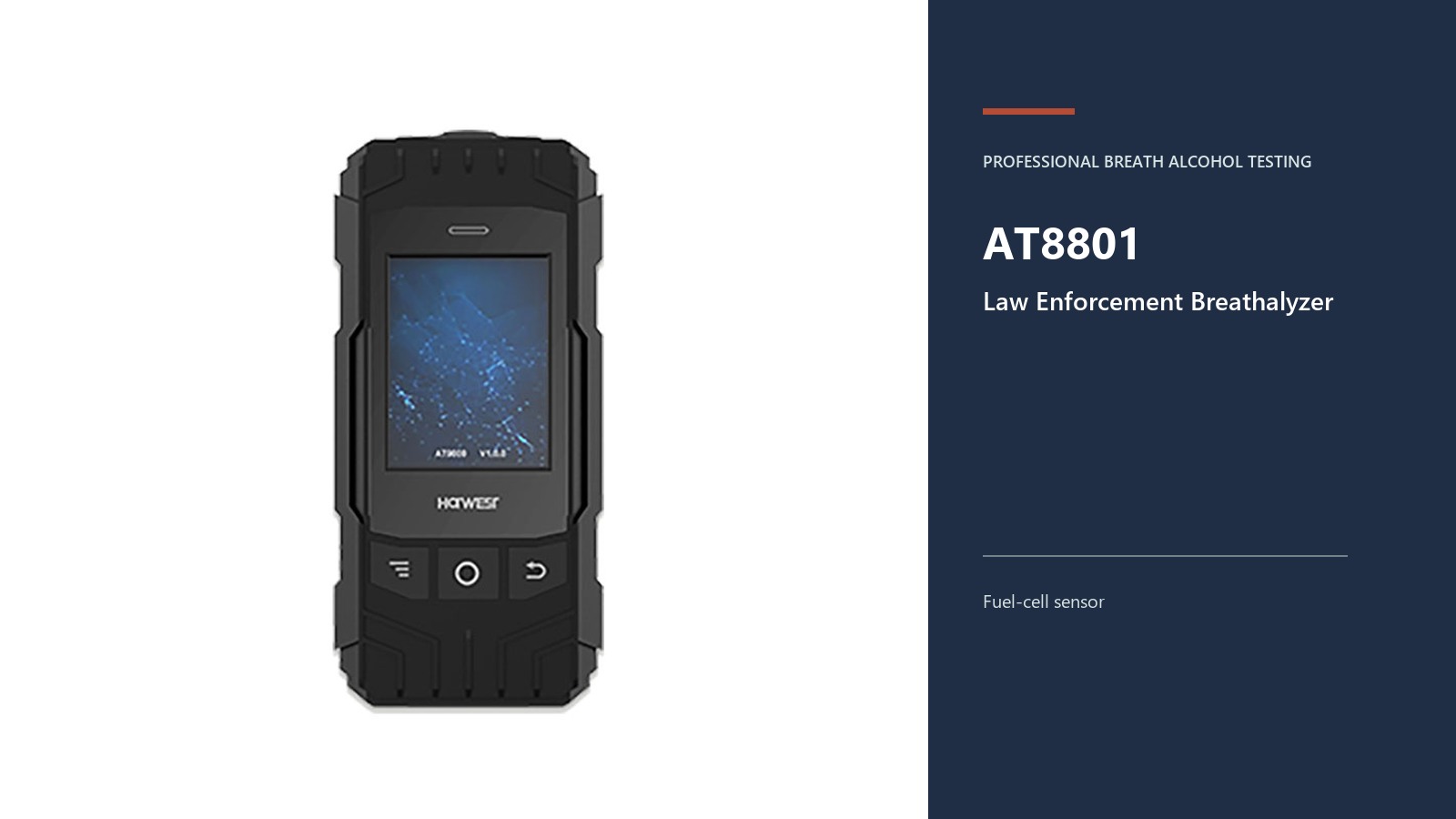
The phrase police breathalyzer manufacturer can describe several very different requirements. This product brief considers the AT8801 in the context of a roadside or controlled-access screening process where an operator needs a consistent, reviewable workflow, with attention to published model details and the decisions that should be resolved before deployment.
A source-checked view of AT8801
For the model-level evidence behind this police breathalyzer manufacturer brief, use the official PESV product page. Its current feature list includes the following relevant points:
- PESV currently lists a fuel-cell sensor.
- PESV currently lists passive and active test.
- PESV currently lists adjustable alarming threshold.
- PESV currently lists anti-backflow mouthpiece for health and safety.
This police breathalyzer manufacturer fact set is intentionally limited to current public PESV information. It avoids treating a feature label as a promise about every installation, operator, gas, threshold, or response path.
The work condition comes first
The quality of a police breathalyzer manufacturer decision depends on the information gathered before the order is placed. A professional breathalyzer request should identify the test method, expected throughput, operator steps, any handoff of a result, and the records the responsible organization must retain. A model feature only has value when it supports that agreed process. Those inputs are also what make a comparison between configurations meaningful.
For this police breathalyzer manufacturer article, the relevant starting point is a roadside or controlled-access screening process where an operator needs a consistent, reviewable workflow. The focus is not on abstract product claims; it is on the information that lets a reader decide whether the AT8801 should proceed to a more detailed review.
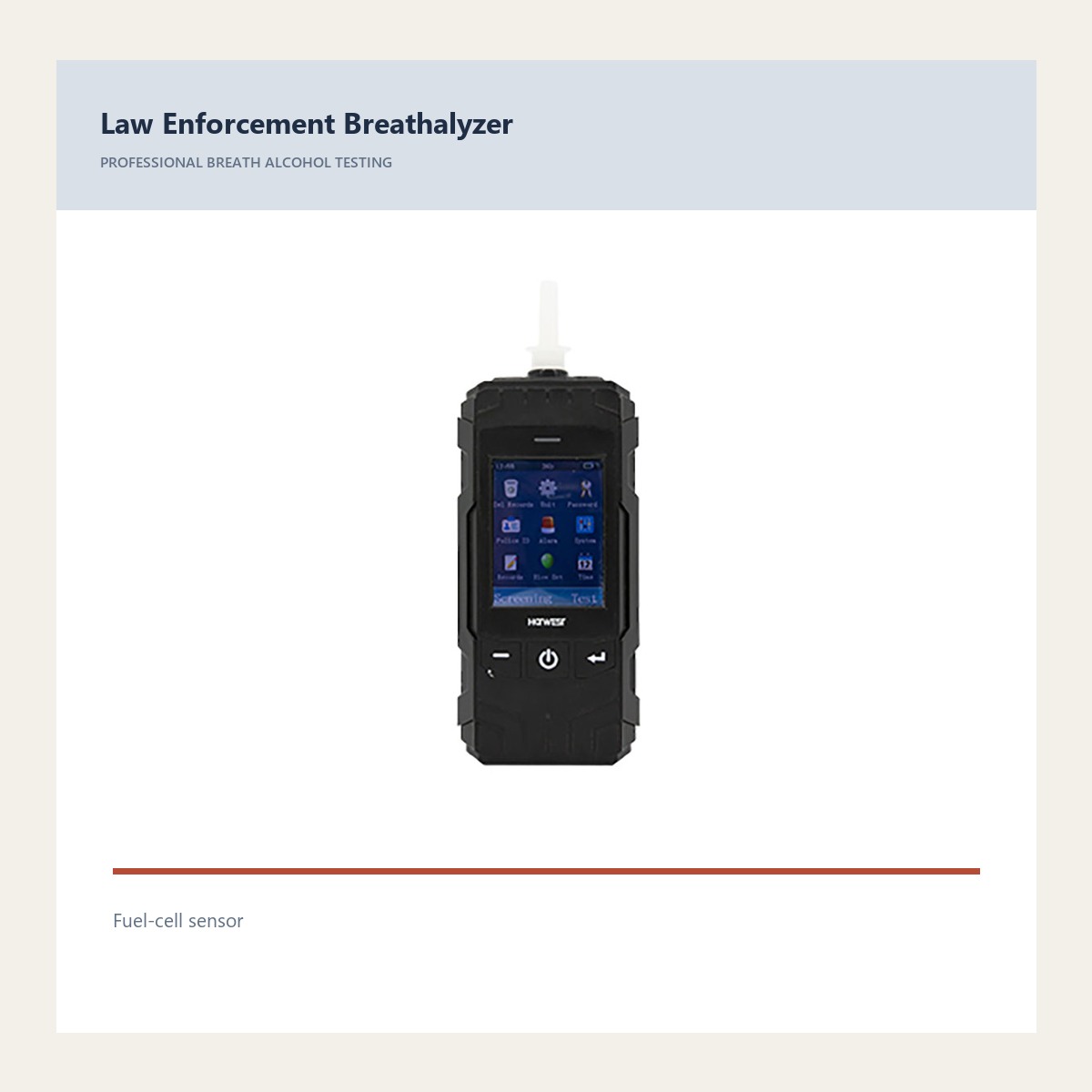
The decisions hidden inside police breathalyzer manufacturer
This is why police breathalyzer manufacturer should be translated into a short operating brief rather than a loose request for features. A professional breathalyzer request should identify the test method, expected throughput, operator steps, any handoff of a result, and the records the responsible organization must retain. A model feature only has value when it supports that agreed process.
Readers evaluating police breathalyzer manufacturer should test the proposed configuration against the ordinary day of work, not only an ideal demonstration. Consider access, interruptions, training, consumables or service, and the point at which the responsible team has to make a decision.
For a sourcing inquiry, include the intended market, product configuration, quantities, documentation needs, branding or packaging questions where relevant, and the project’s technical brief. That allows PESV to confirm what is current rather than leaving a commercial request detached from the actual use case. This makes a police breathalyzer manufacturer inquiry specific enough to answer.
Information worth including in an inquiry
- the intended setting and the person authorized to operate the device
- whether the process calls for active, passive, or another documented testing method
- how results are reviewed, retained, and protected under the applicable procedure
- cleaning, mouthpiece, charging, and periodic service responsibilities
Move from research to a defined specification
For a police breathalyzer manufacturer decision that can be reviewed later, retain the project brief with the current AT8801 product information. Readers can also explore the PESV professional breath alcohol testing range before requesting configuration guidance.
A responsible next step
The purpose of this police breathalyzer manufacturer brief is to support a better decision, not to give a universal answer. The device can support a defined screening process. It does not establish local legal thresholds, replace operator training, or make a decision on behalf of the responsible authority.
For police breathalyzer manufacturer, independent guidance can help readers frame the risk without overstating a product feature. The CDC alcohol-use overview is included for that broader perspective, while PESV product details remain on the current model page.