
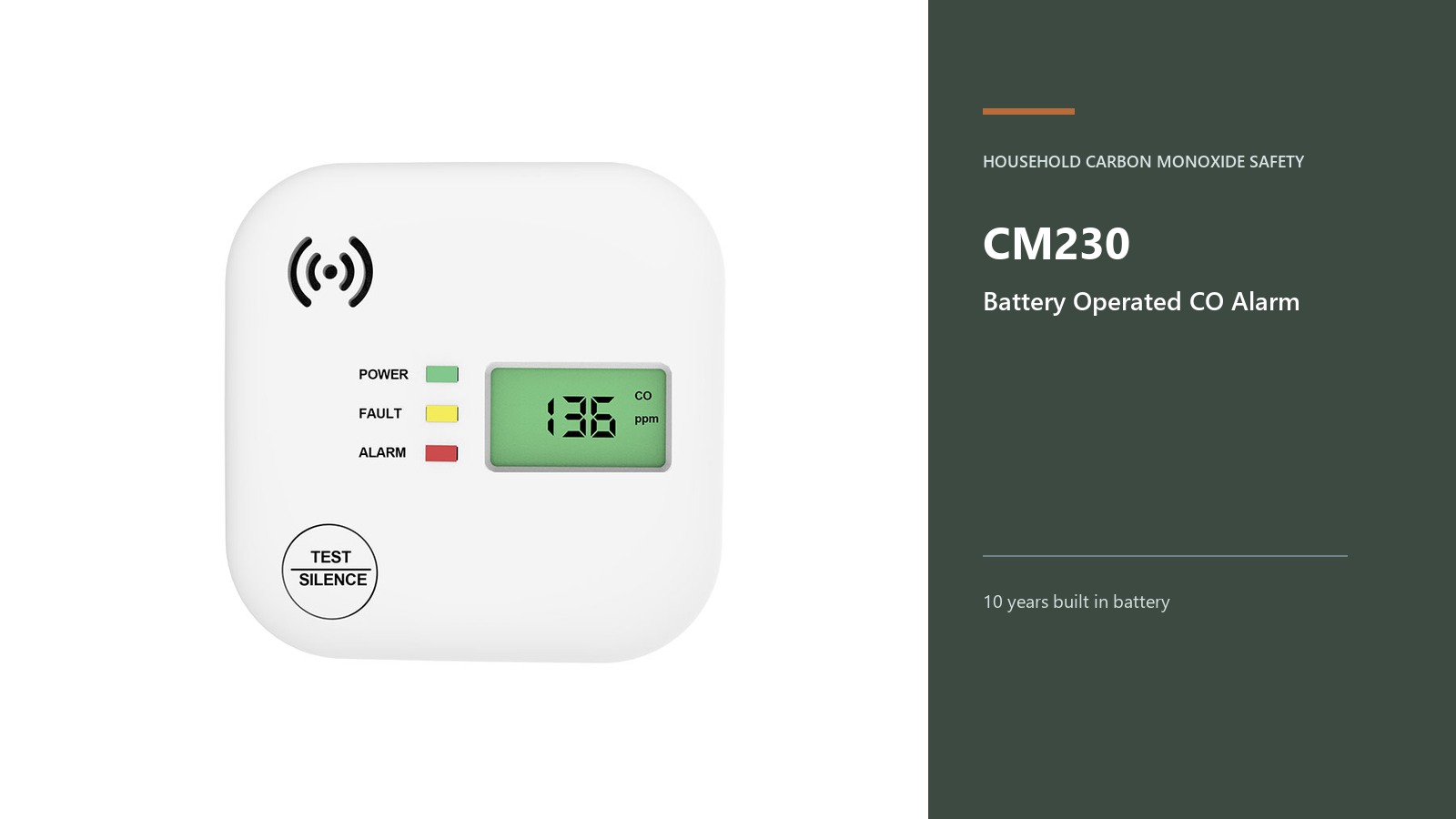
The phrase home carbon monoxide alarm can describe several very different requirements. This product brief considers the CM230 in the context of a home CO-awareness and early-warning conversation, with attention to published model details and the decisions that should be resolved before deployment.
A source-checked view of CM230
For the model-level evidence behind this home carbon monoxide alarm brief, use the official PESV product page. Its current feature list includes the following relevant points:
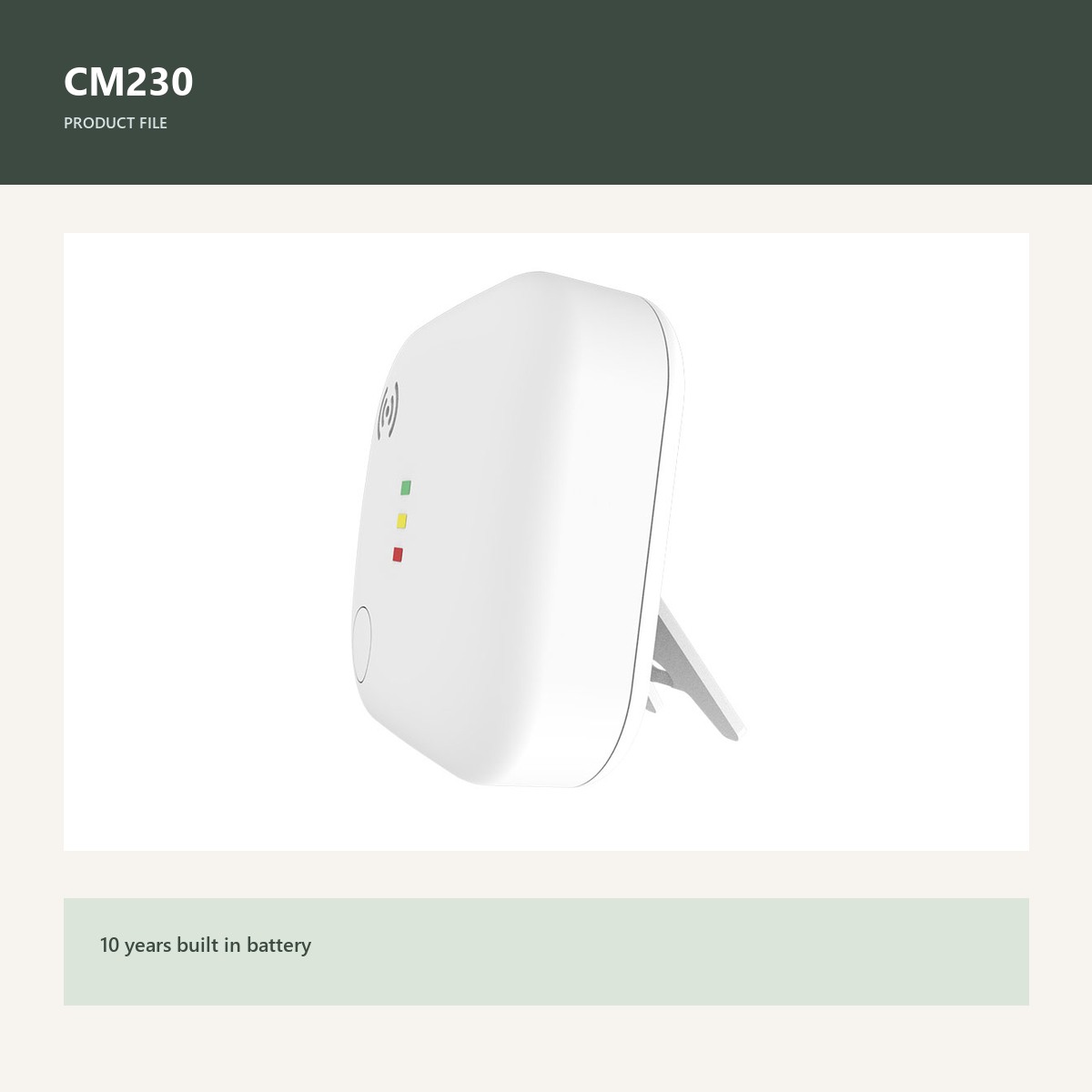
- PESV currently lists 10 years built in battery.
- PESV currently lists an electrochemical sensor.
- PESV currently lists a stated long sensor-life design.
- PESV currently lists alarming level: 50ppm: 60-90 mins;100ppm: 10-40 mins;300ppm: <3 mins;.
This home carbon monoxide alarm fact set is intentionally limited to current public PESV information. It avoids treating a feature label as a promise about every installation, operator, gas, threshold, or response path.
The work condition comes first
The quality of a home carbon monoxide alarm decision depends on the information gathered before the order is placed. Residential CO protection starts with the property layout, combustion sources, installation responsibilities, and the household response plan. The right model is the one that can be installed, tested, explained, and maintained according to the current instructions and local requirements. Those inputs are also what make a comparison between configurations meaningful.
For this home carbon monoxide alarm article, the relevant starting point is a home CO-awareness and early-warning conversation. The focus is not on abstract product claims; it is on the information that lets a reader decide whether the CM230 should proceed to a more detailed review.
The decisions hidden inside home carbon monoxide alarm
This is why home carbon monoxide alarm should be translated into a short operating brief rather than a loose request for features. Residential CO protection starts with the property layout, combustion sources, installation responsibilities, and the household response plan. The right model is the one that can be installed, tested, explained, and maintained according to the current instructions and local requirements.
Readers evaluating home carbon monoxide alarm should test the proposed configuration against the ordinary day of work, not only an ideal demonstration. Consider access, interruptions, training, consumables or service, and the point at which the responsible team has to make a decision.
The practical test is whether the equipment can be understood and maintained in the way it will actually be used. That question brings the product, the workflow, and the responsible people into the same conversation. This is the practical next step for home carbon monoxide alarm.
Information worth including in an inquiry
- the property type, power or battery approach, and the person responsible for replacement or testing
- the manufacturer instructions and the applicable local placement and installation rules
- how residents or property staff are expected to respond to an alarm
- the inspection, test, and service routine after installation
Move from research to a defined specification
For a home carbon monoxide alarm decision that can be reviewed later, retain the project brief with the current CM230 product information. Readers can also explore the PESV household carbon monoxide safety range before requesting configuration guidance.
A responsible next step
The purpose of this home carbon monoxide alarm brief is to support a better decision, not to give a universal answer. A CO alarm provides an early warning function. It does not replace appropriate appliance servicing, ventilation, safe installation, or the instructions given by local authorities.
For home carbon monoxide alarm, independent guidance can help readers frame the risk without overstating a product feature. The CDC carbon monoxide safety guidance is included for that broader perspective, while PESV product details remain on the current model page.