
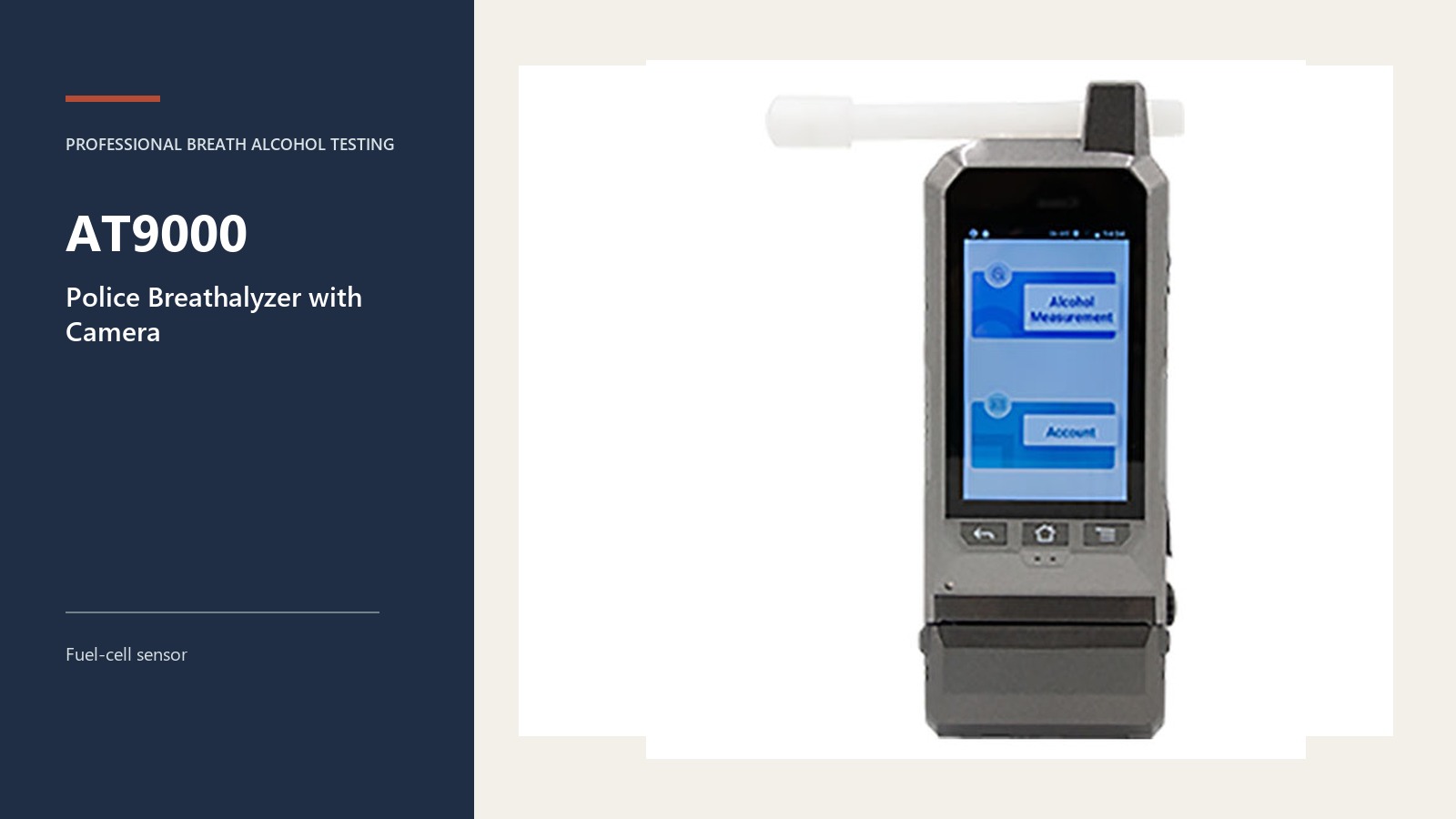
When teams investigate police breathalyzer with camera, the aim should not be to force a model into a broad label. The more useful path is to define a roadside or controlled-access screening process where an operator needs a consistent, reviewable workflow first, then review whether the AT9000 has a role in that documented process.
Start with the operating flow
In a police breathalyzer with camera review, a reader should be able to tell what problem is being addressed, what the product is expected to do, and what sits outside its role. A professional breathalyzer request should identify the test method, expected throughput, operator steps, any handoff of a result, and the records the responsible organization must retain. A model feature only has value when it supports that agreed process.
For this police breathalyzer with camera article, the relevant starting point is a roadside or controlled-access screening process where an operator needs a consistent, reviewable workflow. The focus is not on abstract product claims; it is on the information that lets a reader decide whether the AT9000 should proceed to a more detailed review.
Published AT9000 details to verify
For this police breathalyzer with camera review, the current PESV product page for AT9000 is the source for model-specific information. The following details are published there and should be read as a fact snapshot, not as a substitute for a project specification.
- PESV currently lists a fuel-cell sensor.
- PESV currently lists a pre-calibrated sensor module intended to simplify maintenance planning.
- PESV currently lists passive and active test.
- PESV currently lists adjustable alarming threshold.
For police breathalyzer with camera, the most useful next step is to compare those public details against the actual brief. A short conversation at this point often avoids an expensive mismatch later in the project.
What the team should settle before deployment
The model should be selected to serve a defined process, not to make the process appear defined. A professional breathalyzer request should identify the test method, expected throughput, operator steps, any handoff of a result, and the records the responsible organization must retain. A model feature only has value when it supports that agreed process. That distinction is especially important for police breathalyzer with camera.
A credible police breathalyzer with camera inquiry makes the decisions visible rather than implied. It records the use environment, the expected action after an indication or result, the people who need the information, and the interval at which the equipment will be checked.
Where a search includes a data, recording, or documentation feature, check the current product page for the exact model configuration and then decide how that information will be used, protected, and retained by the responsible organization. This prevents police breathalyzer with camera from becoming an unsupported shorthand.
A concise implementation brief
- the intended setting and the person authorized to operate the device
- whether the process calls for active, passive, or another documented testing method
- how results are reviewed, retained, and protected under the applicable procedure
- cleaning, mouthpiece, charging, and periodic service responsibilities
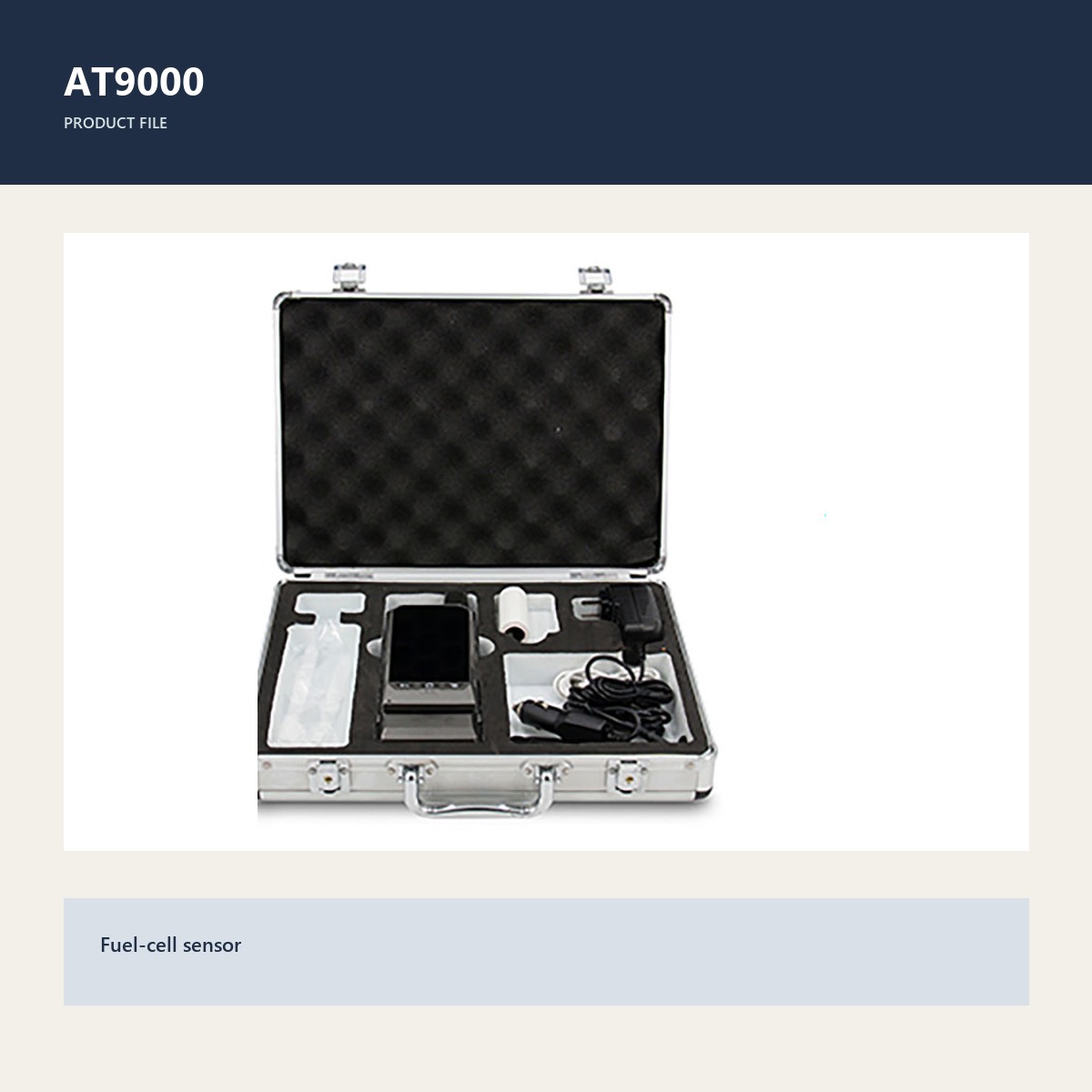
The appropriate limits of AT9000
No single police breathalyzer with camera equipment page can absorb the responsibility of the whole workflow. The device can support a defined screening process. It does not establish local legal thresholds, replace operator training, or make a decision on behalf of the responsible authority.
For police breathalyzer with camera, For broader alcohol-use context, PESV links readers to the independent public-health reference below; that reference is not a specification for the instrument. See the CDC alcohol-use overview for that wider context.
Move from research to a defined specification
The right police breathalyzer with camera inquiry describes the operating context first, then identifies the model-level facts to verify. Start with the AT9000 page, use the PESV range for comparison, and send PESV the actual project conditions when a configuration needs confirmation.