
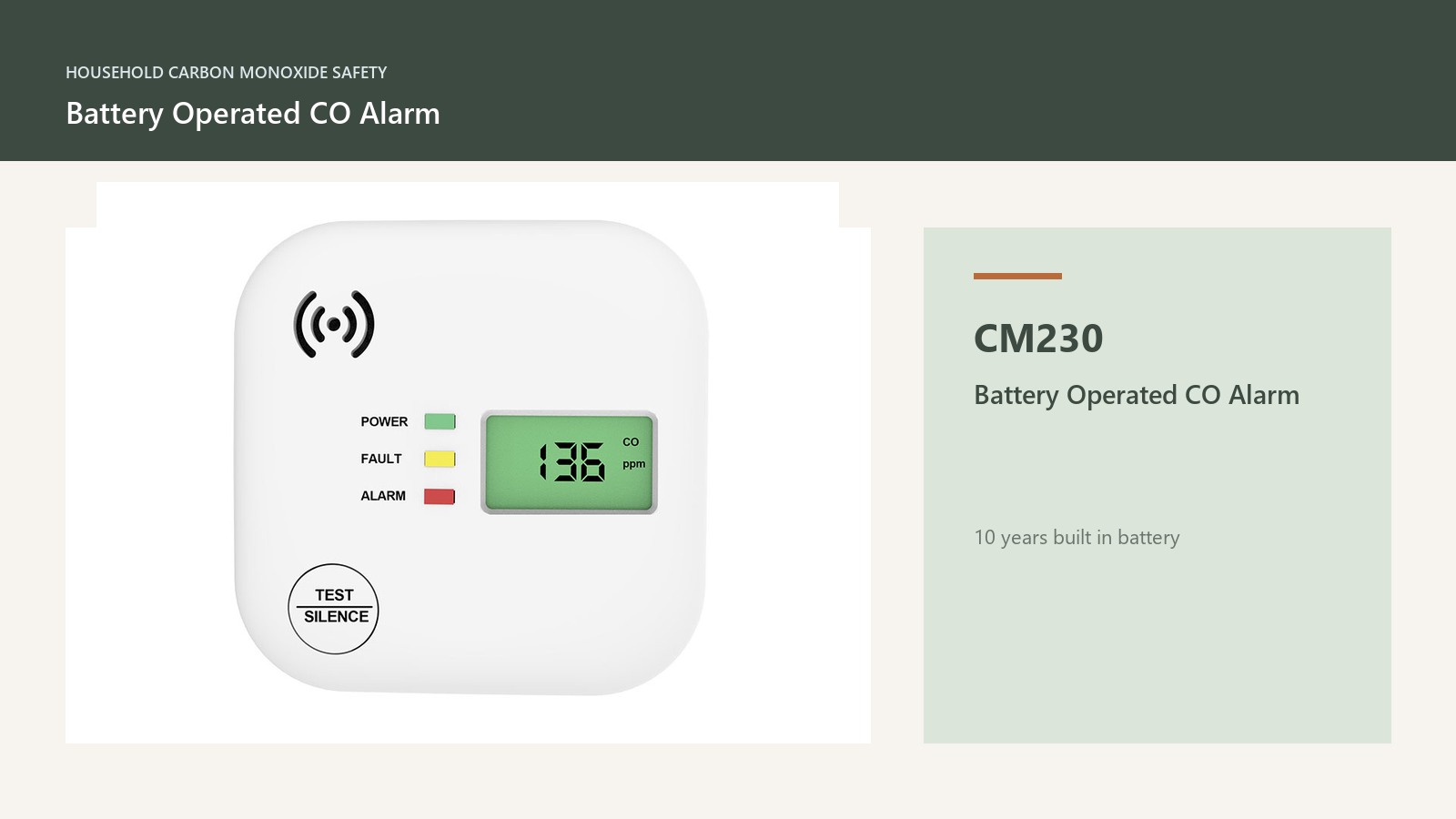
A buyer looking for residential carbon monoxide alarm needs more than a feature list. The CM230 should be assessed against a home CO-awareness and early-warning conversation, including who operates it, what happens after an indication or result, and how routine care is organized.
Model facts available from PESV
For the model-level evidence behind this residential carbon monoxide alarm brief, use the official PESV product page. Its current feature list includes the following relevant points:
- PESV currently lists 10 years built in battery.
- PESV currently lists an electrochemical sensor.
- PESV currently lists a stated long sensor-life design.
- PESV currently lists alarming level: 50ppm: 60-90 mins;100ppm: 10-40 mins;300ppm: <3 mins;.
The feature list is a starting point for residential carbon monoxide alarm due diligence, not a reason to skip it. It is still necessary to check the current documentation, local rules, and the responsibility assigned to the eventual user or site team.
Why the use case changes the answer
The model should be selected to serve a defined process, not to make the process appear defined. Residential CO protection starts with the property layout, combustion sources, installation responsibilities, and the household response plan. The right model is the one that can be installed, tested, explained, and maintained according to the current instructions and local requirements. That distinction is especially important for residential carbon monoxide alarm.
For this residential carbon monoxide alarm article, the relevant starting point is a home CO-awareness and early-warning conversation. The focus is not on abstract product claims; it is on the information that lets a reader decide whether the CM230 should proceed to a more detailed review.
A decision framework for residential carbon monoxide alarm
For residential carbon monoxide alarm, a usable brief connects the asset to the response process around it. Residential CO protection starts with the property layout, combustion sources, installation responsibilities, and the household response plan. The right model is the one that can be installed, tested, explained, and maintained according to the current instructions and local requirements. This prevents a search term from being mistaken for a complete specification.
For a procurement or safety review, residential carbon monoxide alarm becomes more defensible when the intended workflow is written in plain language. It should state who uses the equipment, what counts as an abnormal condition, and how the organization confirms the device remains ready for that work.
The practical test is whether the equipment can be understood and maintained in the way it will actually be used. That question brings the product, the workflow, and the responsible people into the same conversation. This is the practical next step for residential carbon monoxide alarm.
What a complete inquiry should include
- the property type, power or battery approach, and the person responsible for replacement or testing
- the manufacturer instructions and the applicable local placement and installation rules
- how residents or property staff are expected to respond to an alarm
- the inspection, test, and service routine after installation
Research, specification, and responsibility
This residential carbon monoxide alarm distinction protects both the buyer and the end user: the product role is specific, while the surrounding responsibilities remain with the project or organization. A CO alarm provides an early warning function. It does not replace appropriate appliance servicing, ventilation, safe installation, or the instructions given by local authorities.
For residential carbon monoxide alarm, independent guidance can help readers frame the risk without overstating a product feature. The CDC carbon monoxide safety guidance is included for that broader perspective, while PESV product details remain on the current model page.
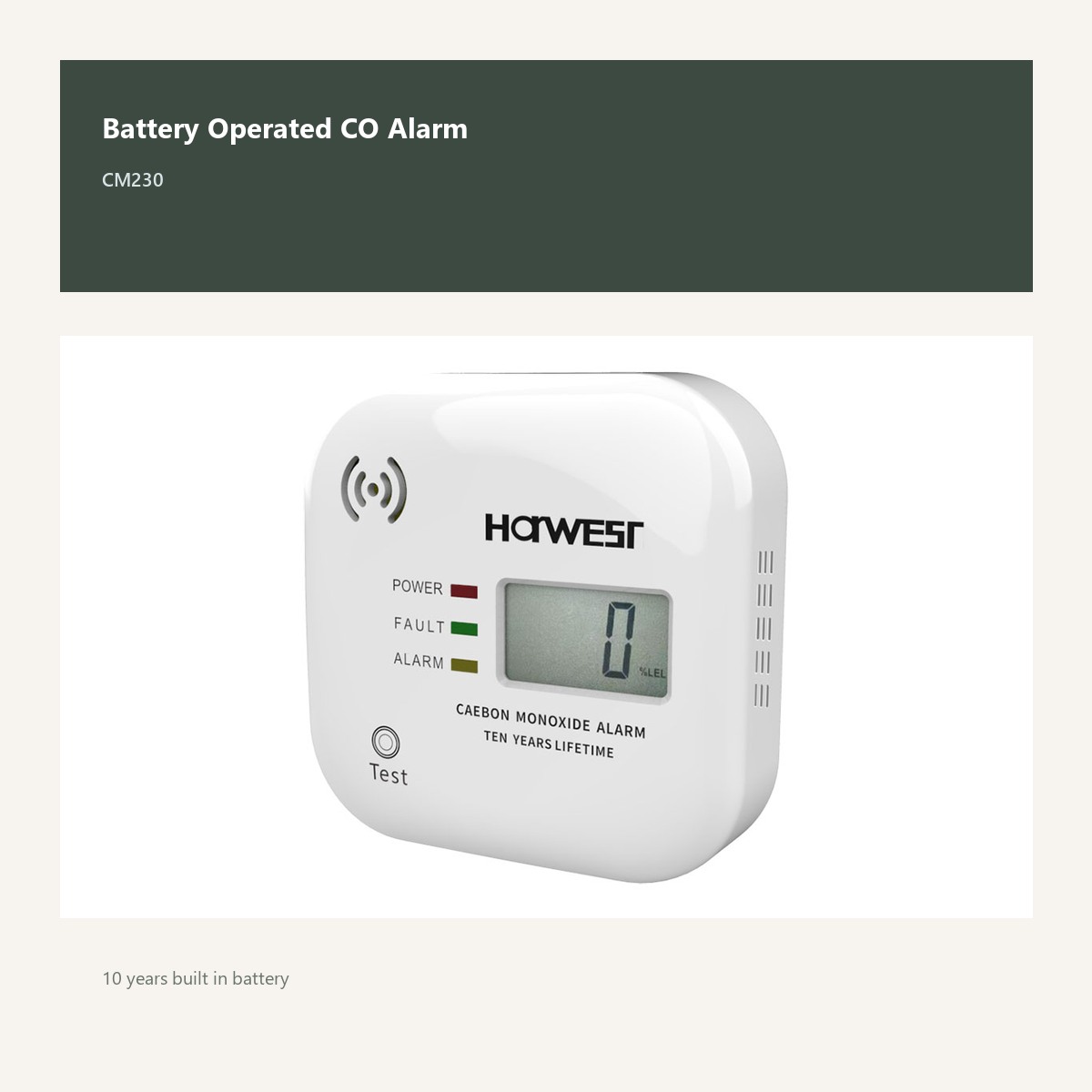
Move from research to a defined specification
A concise record of the residential carbon monoxide alarm job, users, response flow, and required product details will make the next conversation more productive. Use the CM230 product page, review the broader PESV range, and contact PESV once those facts are known.