
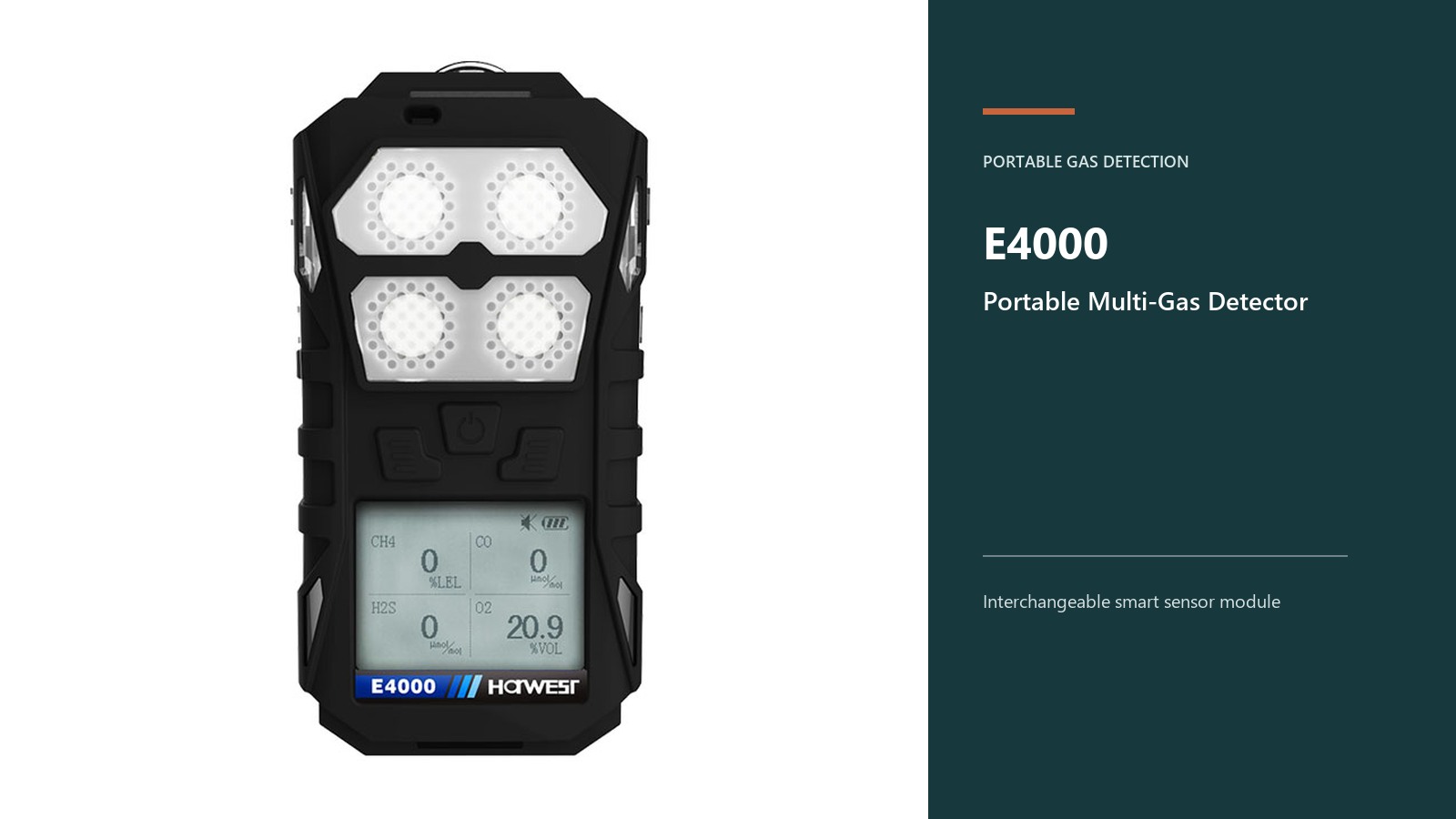
portable gas detector manufacturer is a useful search only when it leads to a clear equipment decision. For an industrial inspection, maintenance, or response workflow, the E4000 needs to be considered alongside the workflow, the person responsible for it, and the conditions the site or organization actually has to manage.
Define the job behind portable gas detector manufacturer
For portable gas detector manufacturer, the decision is not whether a product category sounds relevant. It is whether the published E4000 capabilities can support the actual conditions of an industrial inspection, maintenance, or response workflow. Portable detection has to begin with the task and the possible atmosphere. The buyer should then match gas targets, measurement ranges, sampling method, alarm response, access conditions, and ongoing checks to the site procedure.
For this portable gas detector manufacturer article, the relevant starting point is an industrial inspection, maintenance, or response workflow. The focus is not on abstract product claims; it is on the information that lets a reader decide whether the E4000 should proceed to a more detailed review.
What PESV currently lists for E4000
For this portable gas detector manufacturer review, the current PESV product page for E4000 is the source for model-specific information. The following details are published there and should be read as a fact snapshot, not as a substitute for a project specification.
- PESV currently lists interchangeable smart sensor module.
- PESV currently lists mOS, catalytic, electrochemical, infrared, PID sensors selectable.
- PESV currently lists built-in sampling pump (optional).
- PESV currently lists visual, audible and vibrative alarm.
For portable gas detector manufacturer, the product facts above are useful because they make a conversation concrete. They are not enough to infer suitability: a model can have the right broad category while still be a poor match for the user, location, or follow-up process.
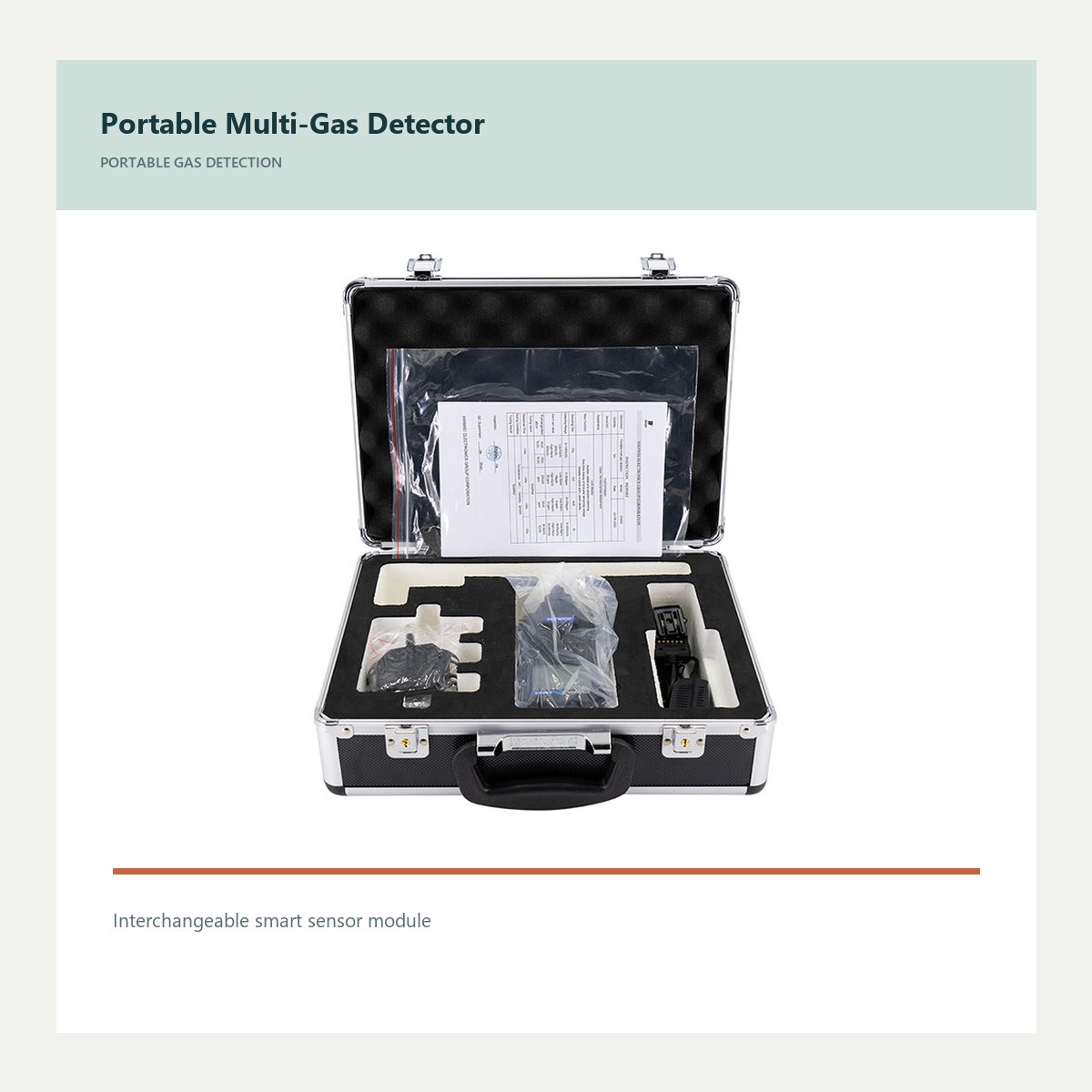
Questions that change the configuration
The quality of a portable gas detector manufacturer decision depends on the information gathered before the order is placed. Portable detection has to begin with the task and the possible atmosphere. The buyer should then match gas targets, measurement ranges, sampling method, alarm response, access conditions, and ongoing checks to the site procedure. Those inputs are also what make a comparison between configurations meaningful.
For portable gas detector manufacturer, document the condition before comparing options: what happens immediately before use, what observation or result triggers a response, and what evidence the responsible person must be able to review afterward. That short record is more useful than a long, generic feature request.
For a sourcing inquiry, include the intended market, product configuration, quantities, documentation needs, branding or packaging questions where relevant, and the project’s technical brief. That allows PESV to confirm what is current rather than leaving a commercial request detached from the actual use case. This makes a portable gas detector manufacturer inquiry specific enough to answer.
A request brief that a project team can use
- the gases or atmospheric conditions that the task risk assessment identifies
- whether diffusion, remote sampling, or an optional pump is needed for the actual access route
- the response required when an alarm or fault indication occurs
- pre-use checks, bump testing or calibration planning, and the named person responsible for them
Where E4000 fits and where it does not
The E4000 can be considered as part of a well-defined portable gas detector manufacturer process. A portable detector is one part of a documented work process. It does not replace risk assessment, entry controls, communication, rescue arrangements, or local safety rules.
For portable gas detector manufacturer, For wider confined-space and restricted-space context, PESV links to the independent safety reference below; it does not define the detector configuration for this model. See the NIOSH confined-spaces safety briefing for that wider context.
Move from research to a defined specification
To take portable gas detector manufacturer research further, review the current E4000 product page alongside the PESV portable gas detection range. A quotation request is more useful when it states the use condition, the model facts that matter, and the questions that still need confirmation. Contact PESV with that brief rather than with a generic category request.