
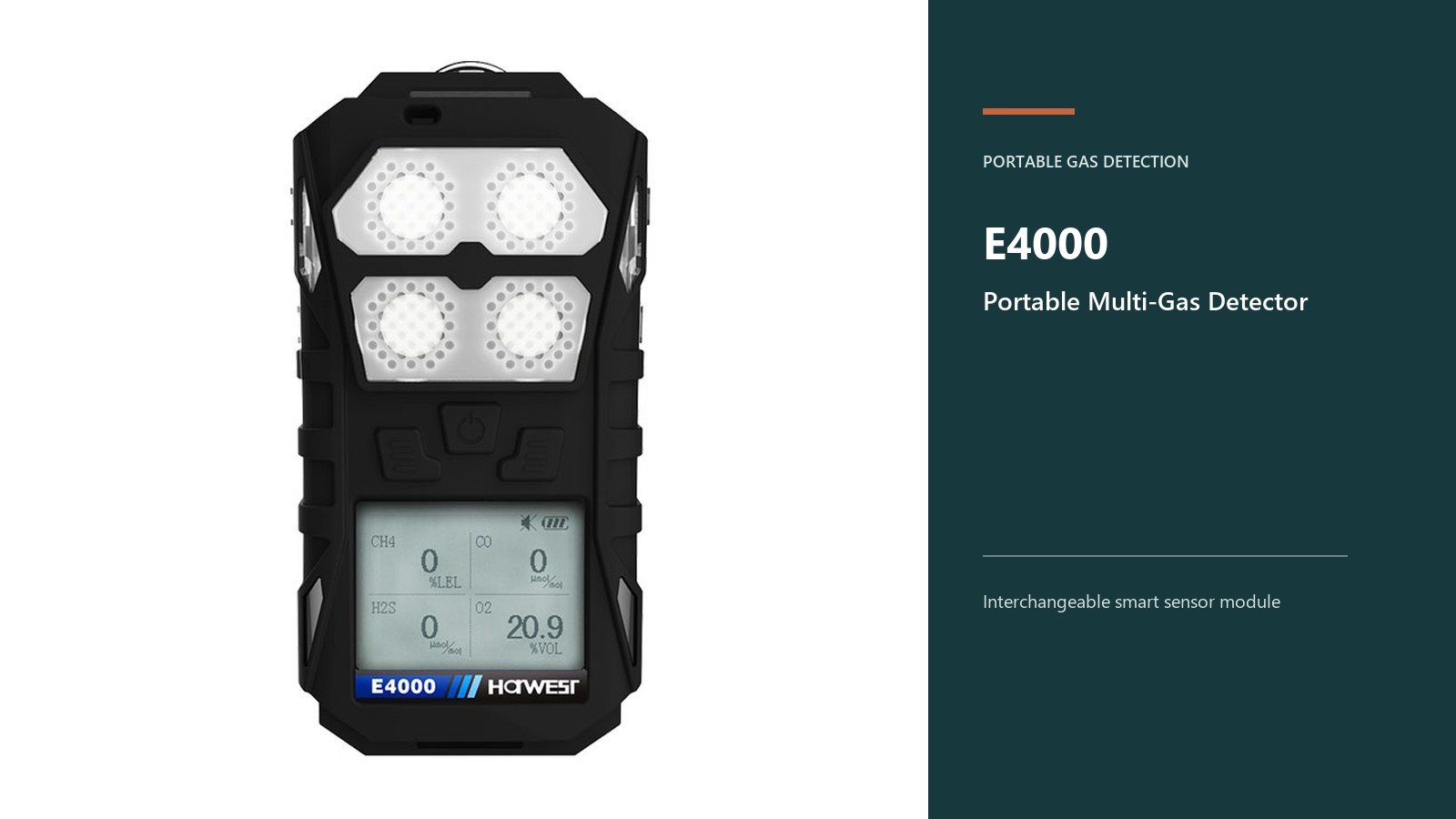
A buyer looking for portable gas detector with gps needs more than a feature list. The E4000 should be assessed against an industrial inspection, maintenance, or response workflow, including who operates it, what happens after an indication or result, and how routine care is organized.
Model facts available from PESV
For the model-level evidence behind this portable gas detector with gps brief, use the official PESV product page. Its current feature list includes the following relevant points:
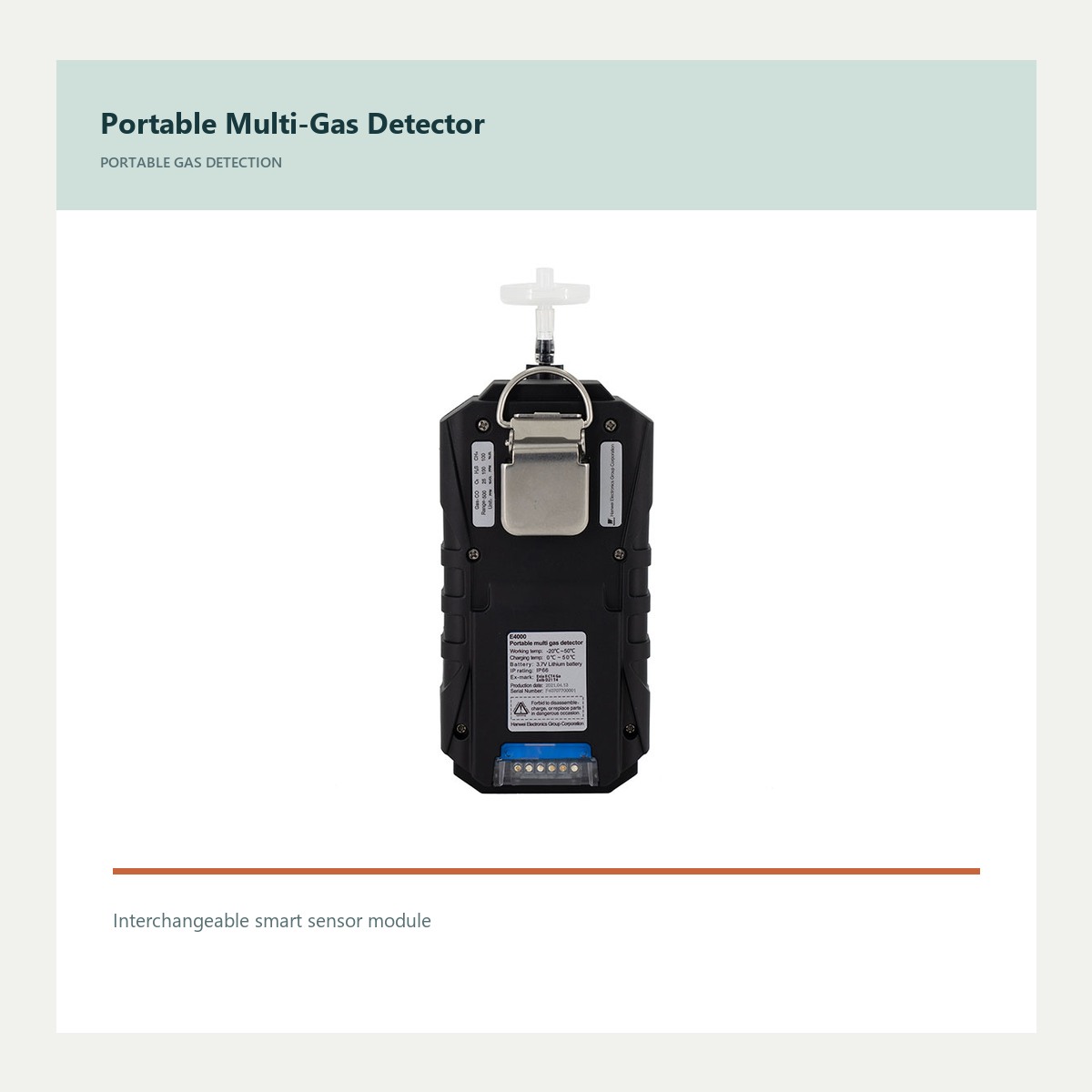
- PESV currently lists interchangeable smart sensor module.
- PESV currently lists mOS, catalytic, electrochemical, infrared, PID sensors selectable.
- PESV currently lists built-in sampling pump (optional).
- PESV currently lists visual, audible and vibrative alarm.
The feature list is a starting point for portable gas detector with gps due diligence, not a reason to skip it. It is still necessary to check the current documentation, local rules, and the responsibility assigned to the eventual user or site team.
Why the use case changes the answer
The model should be selected to serve a defined process, not to make the process appear defined. Portable detection has to begin with the task and the possible atmosphere. The buyer should then match gas targets, measurement ranges, sampling method, alarm response, access conditions, and ongoing checks to the site procedure. That distinction is especially important for portable gas detector with gps.
For this portable gas detector with gps article, the relevant starting point is an industrial inspection, maintenance, or response workflow. The focus is not on abstract product claims; it is on the information that lets a reader decide whether the E4000 should proceed to a more detailed review.
A decision framework for portable gas detector with gps
For portable gas detector with gps, a usable brief connects the asset to the response process around it. Portable detection has to begin with the task and the possible atmosphere. The buyer should then match gas targets, measurement ranges, sampling method, alarm response, access conditions, and ongoing checks to the site procedure. This prevents a search term from being mistaken for a complete specification.
For a procurement or safety review, portable gas detector with gps becomes more defensible when the intended workflow is written in plain language. It should state who uses the equipment, what counts as an abnormal condition, and how the organization confirms the device remains ready for that work.
Where a search includes a data, recording, or documentation feature, check the current product page for the exact model configuration and then decide how that information will be used, protected, and retained by the responsible organization. This prevents portable gas detector with gps from becoming an unsupported shorthand.
What a complete inquiry should include
- the gases or atmospheric conditions that the task risk assessment identifies
- whether diffusion, remote sampling, or an optional pump is needed for the actual access route
- the response required when an alarm or fault indication occurs
- pre-use checks, bump testing or calibration planning, and the named person responsible for them
Research, specification, and responsibility
This portable gas detector with gps distinction protects both the buyer and the end user: the product role is specific, while the surrounding responsibilities remain with the project or organization. A portable detector is one part of a documented work process. It does not replace risk assessment, entry controls, communication, rescue arrangements, or local safety rules.
For portable gas detector with gps, independent guidance can help readers frame the risk without overstating a product feature. The NIOSH confined-spaces safety briefing is included for that broader perspective, while PESV product details remain on the current model page.
Move from research to a defined specification
A concise record of the portable gas detector with gps job, users, response flow, and required product details will make the next conversation more productive. Use the E4000 product page, review the broader PESV range, and contact PESV once those facts are known.