
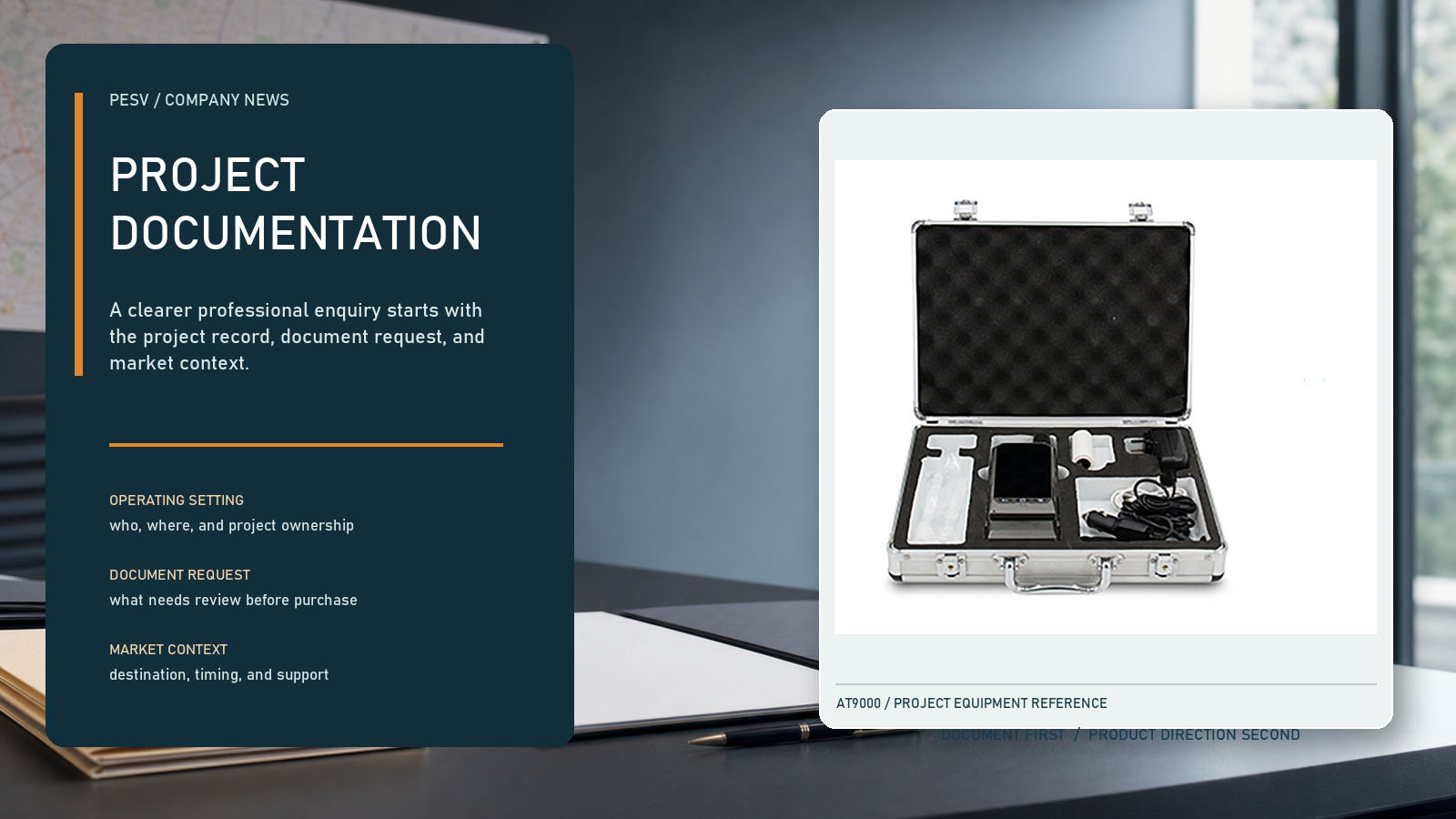
A police breathalyzer camera documentation guide helps project buyers turn an early product enquiry into a more useful professional brief. The central questions are practical: who will operate the equipment, what project context applies, which destination market is involved, and what product or supplier information needs to be reviewed before a direction is confirmed.
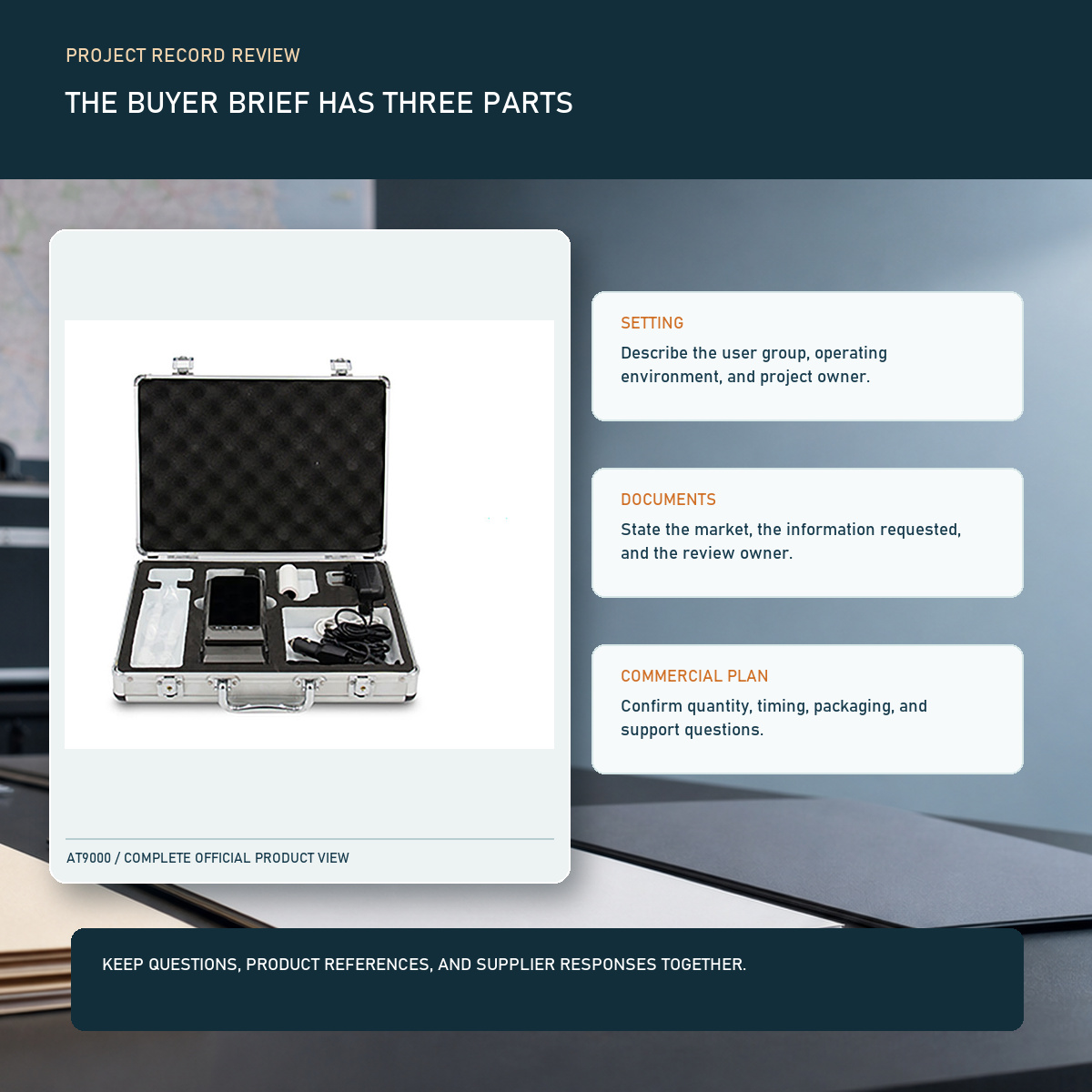
The AT9000 police breathalyzer with camera reference gives buyers a relevant PESV model starting point. It should be used alongside the organization’s own procedure and the confirmed requirements of the actual project. A product page does not by itself establish an operating process, a legal conclusion, or a final documentation package.
Police Breathalyzer Camera Documentation Guide: Start with the Project Record
Before requesting product information, identify the project owner, intended operator group, anticipated use setting, destination market, planned quantity, expected timing, and the person responsible for reviewing documents. This basic record prevents a supplier conversation from becoming a list of disconnected questions.
Next, separate information that the buyer already knows from information that needs to be confirmed. A clear brief may include requested product literature, labeling expectations, market-specific paperwork, packaging needs, delivery planning, training or support expectations, and any project-approved workflow materials. The result is a traceable starting point for a productive discussion.
Keep Documentation, Workflow, and Product Fit as Separate Decisions
Project documentation should describe the buyer’s requirements; it should not be used to imply product capabilities that have not been confirmed. The same principle applies to workflow. A buyer can explain how their organization intends to manage screening or handover, while PESV can review the relevant product context and commercial information.
The earlier AT9000 procurement checklist is a useful companion for turning those questions into a supplier-ready request. For wider category planning, the PESV professional breathalyzer guide helps buyers distinguish a project brief from a generic product comparison.
What to Include in a Professional Supplier Enquiry
- Project context: intended user group, operating setting, and responsible contact.
- Market context: destination country or region, requested documentation, and labeling discussion points.
- Commercial context: expected quantity, delivery timeframe, packaging needs, and support expectations.
- Review process: who will assess the received information and how questions will be consolidated.
This approach also makes internal approval easier. Instead of circulating several isolated emails, the buyer can keep the open questions, product references, and supplier responses together in one project record.
Use Health Context Carefully
Alcohol-related safety is a serious subject, but a product article should not overstate what a device or workflow can prove. The World Health Organization alcohol fact sheet provides broader public-health context. Organizations should establish their own policies and verify applicable requirements for their intended use.
Prepare a Clearer AT9000 Project Discussion
Browse the PESV Alcohol Tester range, review the relevant AT9000 reference, then contact PESV with your project setting, destination market, document request, quantity, and target delivery timeframe.
Frequently Asked Questions
What is the first item to put in a project brief?
Start with the intended project setting, user group, buyer contact, destination market, and the information the organization needs to review.
Does a product article define a final operating procedure?
No. Each organization should define its own approved procedure and confirm final requirements for the specific project.
What should a buyer share with PESV?
Share the intended application, destination market, requested documentation, quantity, timing, packaging needs, and support expectations.