
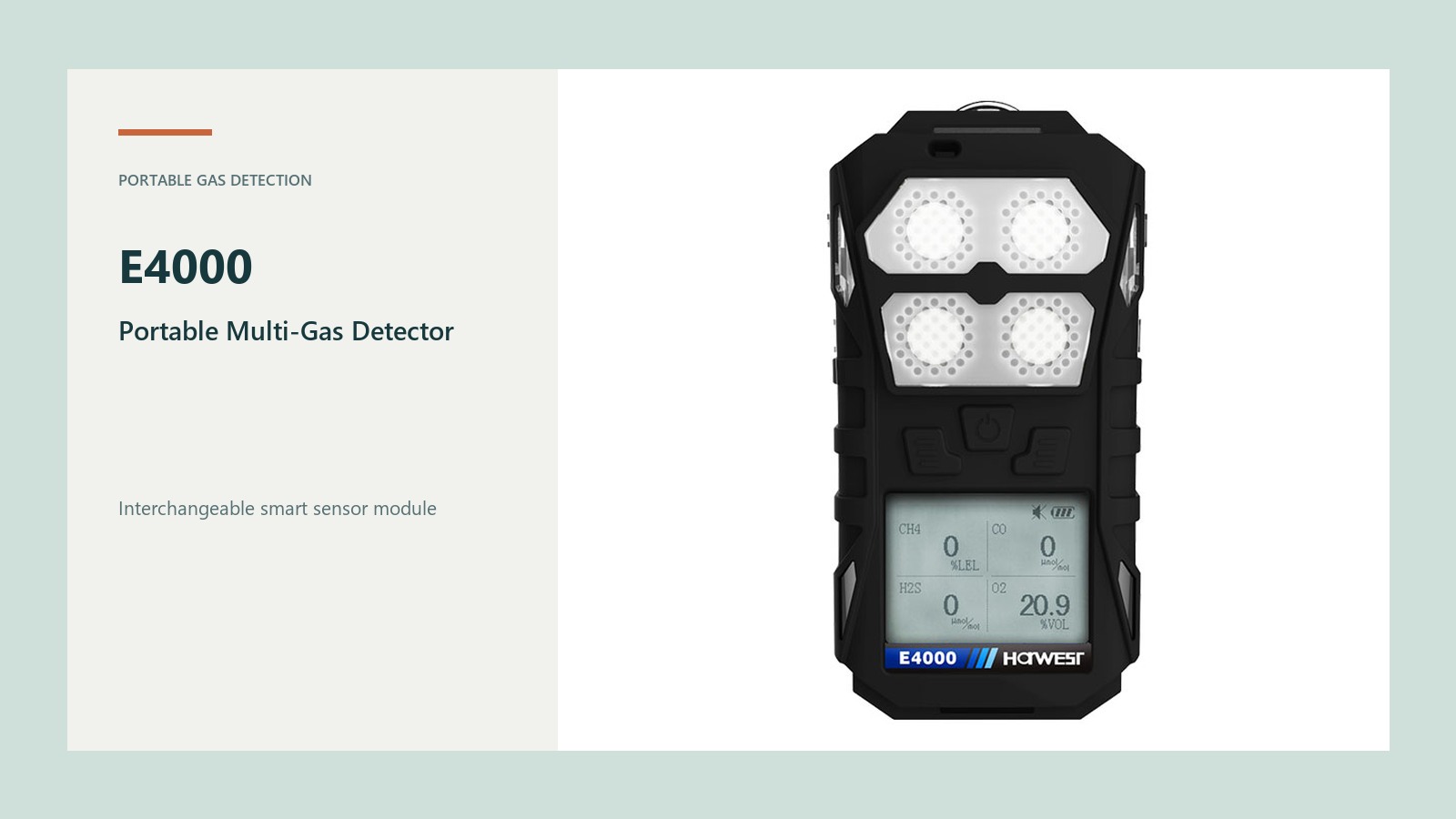
A search for portable gas detector often begins with a product category, but the practical question is narrower: how will the E4000 be used in an industrial inspection, maintenance, or response workflow? That question shapes the configuration, the operating routine, and the information a buyer should ask for.
Do not let portable gas detector become a category-only purchase
For portable gas detector, a usable brief connects the asset to the response process around it. Portable detection has to begin with the task and the possible atmosphere. The buyer should then match gas targets, measurement ranges, sampling method, alarm response, access conditions, and ongoing checks to the site procedure. This prevents a search term from being mistaken for a complete specification.
For this portable gas detector article, the relevant starting point is an industrial inspection, maintenance, or response workflow. The focus is not on abstract product claims; it is on the information that lets a reader decide whether the E4000 should proceed to a more detailed review.
Turn the search term into operating requirements
In a portable gas detector review, a reader should be able to tell what problem is being addressed, what the product is expected to do, and what sits outside its role. Portable detection has to begin with the task and the possible atmosphere. The buyer should then match gas targets, measurement ranges, sampling method, alarm response, access conditions, and ongoing checks to the site procedure.
The same product label can conceal materially different jobs. A portable gas detector brief should therefore name the location or user group, the expected operating sequence, the escalation route, and the maintenance owner before a configuration is treated as suitable.
A useful article should leave the reader with a next decision, not a generic claim. Here, that means translating the search term into operating conditions and checking the current PESV information against them. This is the practical next step for portable gas detector.
A practical pre-quotation checklist
- the gases or atmospheric conditions that the task risk assessment identifies
- whether diffusion, remote sampling, or an optional pump is needed for the actual access route
- the response required when an alarm or fault indication occurs
- pre-use checks, bump testing or calibration planning, and the named person responsible for them
The current E4000 product-page facts
PESV publishes the model information on the E4000 product page. For portable gas detector, these public details help a buyer start the conversation, while the final configuration still has to be checked against the intended use.
- PESV currently lists interchangeable smart sensor module.
- PESV currently lists mOS, catalytic, electrochemical, infrared, PID sensors selectable.
- PESV currently lists built-in sampling pump (optional).
- PESV currently lists visual, audible and vibrative alarm.
Published features narrow research into portable gas detector, but they do not close it. The project still has to connect this E4000 configuration to the real working conditions, responsible roles, and documentation requirements.
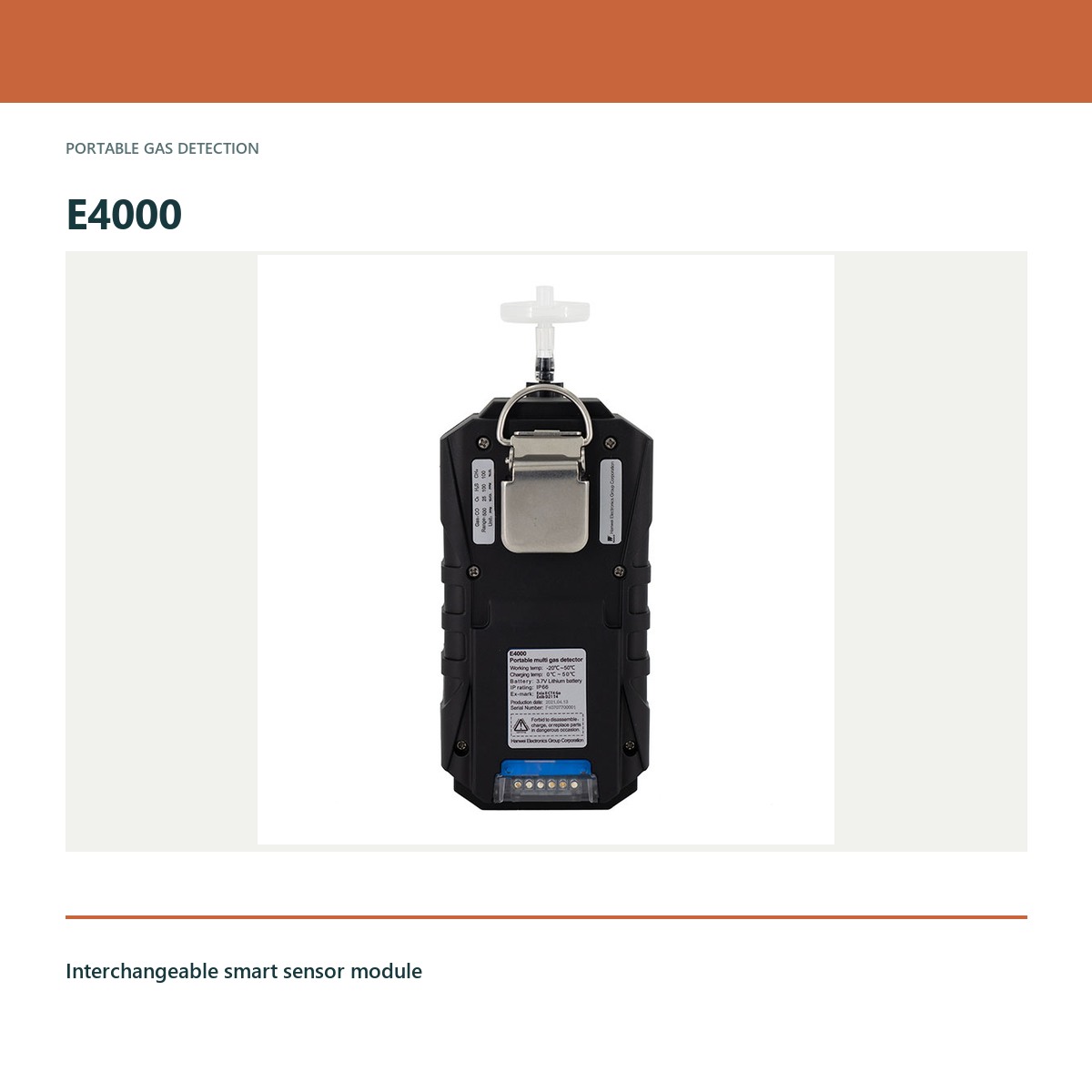
Use the product page as a source, not a shortcut
A careful product page should say what it cannot decide. A portable detector is one part of a documented work process. It does not replace risk assessment, entry controls, communication, rescue arrangements, or local safety rules. That boundary helps keep a portable gas detector discussion credible and useful to the people who will own it.
This model page does not replace independent guidance. For the wider context around portable gas detector, consult the NIOSH confined-spaces safety briefing; use it alongside, rather than instead of, current product documentation and local requirements.
Move from research to a defined specification
The next step for portable gas detector is not to add unsupported detail to a specification. Use the official E4000 source page, compare it with the relevant PESV range, and ask the PESV team to confirm the current configuration against the defined job.